Call 877-798-7487 to speak with a live local agent today

Tank vs. Tankless Water Heaters

Tank vs. Tankless Water Heaters: What’s the Right Choice for Your Home?

Choosing a new water heater can feel overwhelming. Tank or tankless? What’s the difference? Which one is better?

The truth is—they both have great benefits. The best choice depends on you, your home, and how your family uses hot water.

Let’s break it down simply, so you can feel confident and informed.

What’s the Difference Between a Tank and a Tankless Water Heater?

It all comes down to how they heat and store water:

Tank Water Heaters (Traditional)
These systems come with a large tank—usually between 30 and 100 gallons—that stores hot water 24/7 and reheats it after each use.

Tankless Water Heaters
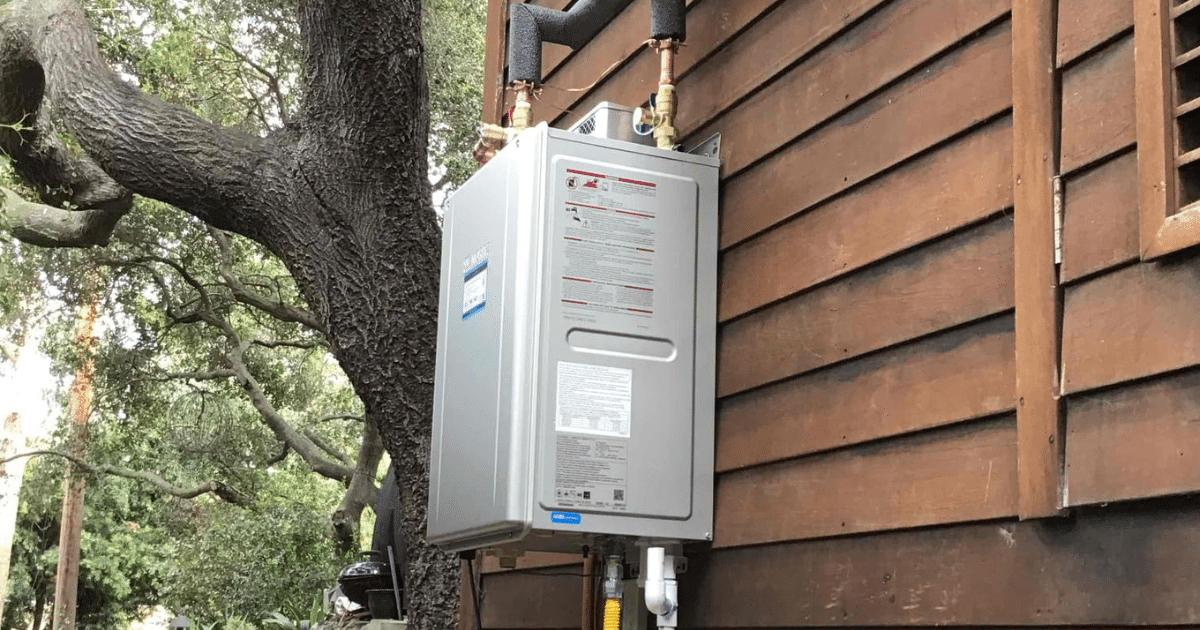
These units don’t store water. Instead, they heat water on demand, only when you turn on a tap, shower, or appliance.

Why Choose a Tank Water Heater?

Tank water heaters are still the most common in homes. Here’s why homeowners love them:

Lower cost upfront – Retrofitting for a tankless system typically costs 2–3x more than swapping in a new tank.
Simple to install – Often a like-for-like replacement that just needs to be brought up to code.
Easier to service – With just 3–4 components, parts are widely available and repairs are straightforward.
Consistent hot water – If a tank has worked for you before, it’ll keep working just the way you’re used to.

Things to consider:

  • Uses more energy by keeping water hot 24/7—even when you’re not using it. 
  • Once the tank runs out, you may wait 30–60 minutes for more hot water. 

Why Choose a Tankless Water Heater?

Tankless systems are becoming the go-to for modern and upgraded homes. Here’s why:

Energy efficient – They only run when you use hot water, making them about 30% more efficient than tanks.
Endless hot water – Perfect for long showers, big families, and oversized bathtubs.
Saves space – Wall-mounted and more compact (though space savings are often modest).
Longer lifespan – With proper maintenance, they can last 15–25 years (vs. 8–12 for tanks).

Things to consider:

  • Higher upfront costs due to the need to retrofit. 
  • Larger gas lines may need to be run from your meter to meet the system’s higher BTU demands. 
  • Repairs can be more technical, and parts may be more expensive. 
  • Annual maintenance is required, and skipping it can lead to costly repairs.

How to Know Which Is Right for You

Before choosing, ask yourself:

  • How many people live in your home? 
  • How many bathrooms do you have? 
  • Do you ever run out of hot water? 
  • Do you want a “set-it-and-forget-it” water heater, or are you okay with annual maintenance? 
  • Do you take lots of baths or have an oversized tub? 
  • Are you planning to stay in your home long-term? 

Need help thinking it through?
Check out our helpful guide:
Should I Go Tankless or Stick With a Traditional Water Heater?

We Don’t Pick Favorites—We Pick What’s Best for YOU

At THE Water Heater Company, we’re not here to tell you which water heater is better—we’re here to help you figure out which one is better for your home.

Our experienced technicians take the time to visit your home, ask the right questions, and perform a full evaluation. Then, we guide you to the option that best fits your comfort, budget, and long-term plans.

It’s not about what we like—it’s about what works for you.

Want to schedule a home evaluation? We’re happy to help.

Let’s Find Your Perfect Fit

Whether you go tank or tankless, the right water heater will:

  • Keep your showers hot 
  • Lower your energy bills 
  • And keep your home running smoothly 

Need help deciding?
Call THE Water Heater Company at (877) 798-7487 to speak with a real expert who cares.

The Difference Between Tank vs. Tankless Water Heaters

If you’re in the market for a new water heater, it’s important to understand the difference between the two main options you can choose from. Those options are tank water heaters and tankless water heaters. They both function in different ways and come with their own unique pros and cons.

In this guide, we’ll help you take a closer look at what each of these options offers and what the advantages and disadvantages are to using them:

Tankless Water Heaters

As the name suggests, tankless water heaters don’t store hot water in a tank for it to be used later. Instead, they heat water on-demand. The water is not stored in a tank, so it doesn’t need to be continually reheated to combat heat loss the way tank water heaters need to. Tankless heaters are becoming more popular because of their efficiency, but they aren’t as common or tried-and-true as tank heaters just yet.

Pros

Durability: When your new tankless water heater is installed, it will last for up to 20 years and often longer than that. They’re highly durable and their parts can be replaced easily. On the other hand, tank water heaters typically last only 10–15 years, and replacement parts can be more difficult to find, depending on your model.

Size: Because there is no storage unit in a tankless heater, they also take up less space in the home. If your storage space is limited, a tankless water heater is a great option

Energy and Cost Efficiency: As mentioned, tankless heaters provide hot water on-demand, meaning they save money in standby heat loss and lower your energy bills

Safety: Tankless water heaters can be much safer than regular tank water heaters because they don’t include a tank that can be overpressurized or overheated, thus eliminating these risks altogether.

Cons

Higher Upfront Costs: When you first buy your tankless water heater and have it installed, it will cost you more money than if you were to choose a tank water heater. The higher costs are a result of the more advanced systems and technology used by tankless water heaters. They can also be a little more complicated to install and maintain.

Limits to Simultaneous Usage: While tankless heaters do provide on-demand hot water, they also have limitations on their flow rate. This means that simultaneous usage, such as showering and running the dishwasher at the same time, could push a tankless heater to its limit

Home Accommodations: Some homes will require considerable changes to their electrical systems or gas line to ensure they can accommodate the tankless heater. You have to be aware of the voltage and amperage requirements of the tankless heater and, if you’re switching from a tank water heater, reconfigure the space surrounding the unit to accommodate a tankless one.

Who Should Buy a Tankless Water Heater?

Anyone looking for a fast and convenient source of hot water in the home should opt for a tankless water heater. They will be able to provide you with the hot water you need, when you need it, although simultaneous usage should be considered. You’re also far less likely to have to deal with breakdowns early in the water heater’s lifespan, and that gives you some peace of mind.

Tank Water Heaters

Tank water heaters store water in a tank and heat it so that it’s ready to be used when needed. The water reheats while on standby and the tank regularly fills and heats after the water in it has been used. Tank water heaters come in a variety of sizes. Small tanks hold 30 to 60 gallons of water at a time, while medium- and large-sized tanks hold around 80 gallons.

Pros

Cheaper Installation Costs: Tank water heaters are cheaper and easier to install than tankless heaters, reducing your upfront costs.

Cheaper Maintenance: When something goes wrong with your water heater, chances are it will be cheaper to fix in a tank water heater. Generally speaking, the cost of replacement parts is lower for tank water heaters than for tankless water heaters.

Dependability: Tank water heaters have been around for years, and models continuously upgrade to ensure you have a dependable heater in your home with the necessary safety features. Tankless heaters are newer and not as common, meaning many manufacturers are still testing different features that could make tankless heater models better.

Cons

Heating Times: Waiting for the tank to refill and reheat can be frustrating, whereas tankless water heaters provide instantaneous hot water

Standby Heat Loss and Higher Energy Bills: Because a tank water heater continuously heats up water in the tank until it is used, more energy is wasted on standby heat loss. This also increases the cost of your energy bill

Shorter Lifespan: Tank water heaters tend to last for an average of 10–15 years before they need to be replaced. Tankless water heaters tend to last up to 5 years longer.

Who Should Buy a Tank Water Heater?

The simplicity and dependability offered by tank water heaters is what makes them appealing to many people. They’re easy to install, operate, maintain, and repair. Problems can be easier to diagnose than a tankless water heater. Tank heaters also have cheaper water heater installation costs than tankless water heaters, which can be beneficial to those looking for lower upfront costs.

If you want to learn more about the tank and tankless water heaters to decide which one is best for your home, contact THE Water Heater Company today.

Understanding the Value of Paying for a Water Heater Repair/Replacement Estimate

When faced with water heater problems, homeowners often find themselves in a dilemma. Should they pay for a service call or estimate? It’s a valid question, and one that we, at THE Water Heater Company, aim to address. In this article, we’ll explain the reasons behind charging for estimates and highlight the value-added benefits that come with it. By understanding these factors, homeowners can make an informed decision and ensure a smooth and reliable repair experience for their water heater.

Expertise and Time

Assessing and diagnosing water heater issues requires the expertise of a professional technician. These skilled individuals possess the knowledge and experience necessary to accurately identify the problem and provide the most effective solutions. They invest their time in carefully evaluating the unit, examining its components, and determining the root cause of the issue. By charging a fee for estimates, we are compensating our technicians for their valuable time and expertise, ensuring that you receive the highest quality service.

Cost Recovery

Operating a home service company involves various expenses, including maintaining a fleet of service vehicles, carrying several types of insurance, employing skilled technicians, and acquiring specialized tools and equipment, to name a few. Charging for estimates helps us recover these costs and continue providing exceptional service. By supporting us through this process, homeowners contribute to the sustainability and reliability of our business, enabling us to offer the best solutions for water heater maintenance, repairs, and replacement.

Serious Inquiries

At THE Water Heater Company, we strive to prioritize our resources and provide prompt service to homeowners who genuinely require our assistance. Charging for estimates helps us distinguish between casual inquiries and customers who are committed to resolving their water heater issues. By investing in an estimate, homeowners demonstrate their seriousness about addressing the problem, ensuring that our skilled technicians can dedicate their expertise to the customers who need it most.

Value-Added Service

Beyond simply providing an estimate, we believe in delivering comprehensive value to our customers.

When you choose to pay for an estimate, you can expect a range of additional benefits:

  • Thorough Inspection: Our technicians conduct a detailed inspection of your water heater, examining its various components to identify any potential issues or underlying causes. This comprehensive assessment ensures that no problem goes unnoticed.
  • Assessment Report: With your paid estimate, you’ll receive a detailed assessment report that outlines the identified problems, recommended solutions, and an estimated cost for repairs. This report serves as a valuable reference and helps you make an informed decision about the necessary steps to resolve the issue.
  • Professional Advice: Our experienced technicians are more than just repair experts. They can provide professional advice on water heater maintenance, and energy efficiency improvements, and answer any questions you may have. This personalized guidance ensures that you have the knowledge needed to maintain your water heater effectively and extend its lifespan.

Understanding the reasons behind charging for estimates is essential for homeowners facing water heater problems. By appreciating the expertise and time invested by professionals, recognizing the need for cost recovery, and valuing the benefits of a paid estimate, homeowners can make an informed decision. At THE Water Heater Company, we are committed to providing exceptional service and ensuring that every customer receives the highest quality repairs or replacement for their water heater. Not only that, but we apply the cost of the estimate/assessment towards the project once you are ready to move forward.

What Size Water Heater Tank Do I Need?

How to Size a Water Heater

If you’re looking to install a new tank water heater or replace an old one, it’s important to ensure you get a big enough tank to avoid the unpleasant surprise of a cold shower. You could just opt for the biggest possible size—but that comes with a bigger price tag, so why spend the extra money if you’ll never need to use a large heater to its full capacity? And if you get a tank that’s excessively large, you’ll just be wasting energy as it continuously heats water that sits unused.

To find a tank that’s not too big and not too small, but just right, here are some things you’ll need to consider.

1. Start with Your Household Size

As a rule of thumb, the more people that live in your house, the more water you will use. A general way to estimate how much water you may need is to factor 12 gallons of water for each person in your household.

The average family consists of two adults and 2.5 children. So, for a family of 4–5 people, you will need to get a tank that is able to hold at least 50–60 gallons. For a family that is bigger than 5, you will need to look for tanks ranging up to 80 gallons. However, the number of people in a home isn’t the only factor that will affect your water usage.

2. Calculate Your Water Usage Habits

Some families with multiple bathrooms may tend to all shower in the morning at the same time, which will of course drive water usage up. If your family does lots of small loads of laundry each day instead of a few bigger loads just a few times a week, that will also affect the rate at which you use water and what size of water heater tank you’ll need. And the frequency at which you do other activities such as washing dishes, washing hands or faces, mopping, etc., will all affect your hot water usage as well.

3. Estimate Peak Water Usage

To create an estimate that takes your usage habits into account, you’ll need to estimate the maximum amount of water you’ll use in an hour and measure it against your water heater’s first-hour rating. The first-hour rating is different from the size of your tank because it calculates how much hot water your heater can produce in an hour when starting with a fully heated tank of water, taking into account heat loss as unheated water fills the place of water being used. The first-hour rating should be listed in the top left corner of the EnergyGuide label on your water heater.

To estimate the maximum amount of water you’ll use in an hour, determine what time of day your household uses the hottest water. Then calculate the amount of water used.

Here’s a basic estimate of how much hot water some common tasks take:

  • Shower: 1-2 gallons per minute
  • Shaving: .05 gallons per minute
  • Food prep or hand-washing dishes: 4 gallons (2 gallons per minute)
  • Automatic dishwasher: 6 gallons
  • Clothes washer: 7 gallons

So if you’ll have 2 people showering in an hour with the dishwasher and clothes washer going, you’ll just add (minutes in the shower x 2) + (minutes in the shower x 2) + 6 + 7 to determine the peak hour usage. As long as your peak usage is lower than your water heater’s first-hour rating, you’re in the clear!

4. Keep Potential Constraints in Mind

Water tanks are a cost-effective hot water solution. Compared to other options, they don’t cost much to install or to maintain, and you can heat your water through either the use of gas or electricity. However, before you rush out and get a bigger water tank fitted, you will need to make sure that you have the space to store it. The location of your current tank may not have adequate space to hold a unit much bigger than your current one, so you may need to reevaluate.

Another factor to remember is that when you increase the size of your water heater, you may have to increase the size of the exhaust pipe. Having the proper size of the exhaust pipe will ensure that the unit drafts properly. A water heater that does not draft properly will have issues and could leak carbon monoxide, which is very dangerous.

If you need help estimating the size of the water heater tank you need, or determining which type of heater will be best for you and your home, an experienced water heater technician can help you decide.

The Most Common Problems with Tank Water Heaters

When your hot water heater is not heating, it is important to remember that every hot water appliance is going to be prone to the occasional problem. It may be due to regular wear and tear, lack of maintenance, or a malfunction, amongst other things. Here, we’re going to take a closer look at some of the common problems affecting tank water heaters, how you may be able to prevent them, and what can be done about them when they do occur.

Gas & Electric Water Heater Repair & Maintenance

Since there are two kinds of tank heaters, gas and electric, there are also problems that can be specific to each type, so there are reasons that your gas water heater is not working that would not apply to electric water heaters. Bear in mind which type of water heater you have before applying a solution. If your electric or gas hot water heater is not heating, this is the article for you. If your tankless hot water heater is not heating, head over to our tankless water heater blog for help.

***Safety First***

Before doing any troubleshooting or making any attempts to fix an issue with your tank water heater, ensure that you’ve taken safety precautions. Electric water heaters are high-voltage appliances that can be risky to work on. Similarly, gas water heaters come with the risk of fire, explosions and carbon monoxide leaks when not handled by a professional.

Make sure the electricity and gas supply is off before doing any troubleshooting and know when to call a professional. For electric devices, make sure you use a non-contact voltage tester to ensure the power is off before touching any wiring.

Problem #1: No Hot Water

The most glaring issue with a water heater is when there’s no hot water at all. If your hot water heater is not heating, a lack of energy supply is a common culprit, so make sure your electricity is on or that you have a functioning gas supply. If your energy supply is fine, the issue may be with the heating element or ignition. Check to see if the breaker has tripped and switched it off and on if it’s electric.

You can also reset the high-temperature limit on electric systems by turning off the breaker and pressing the red high-temperature cut-off reset button above the thermostat, beneath the insulation and plastic guard. Otherwise, you may need a professional to look at the heating element, ignition, or flame.

Problem #2: Low Hot Water

One of the benefits of tank water heaters is that with enough time to heat up, they should be able to supply plenty of hot water to meet the needs of simultaneous and frequent hot water use. However, if you’re feeling like it’s not producing enough hot water, the heater may have too low of a capacity. If this is the case, then there’s little to do but reduce your hot water use or to install a bigger heater that’s suited to the household’s demands.

If you don’t think that the heater is undersized, then it might be another heating element or ignition issue. Follow the tips as mentioned in the “no hot water” section above and get in touch with a professional to help diagnose the issue.

Problem #3: The Water is Too Hot

Usually, this is due to an issue with the thermostat. It may simply be set too high. If this is the case, you should locate and adjust it. Check your heater’s manual to find where the thermostat is. For gas-powered heaters, it’s usually externally visible, but for electric models, there’s another one beneath the access panel.

If turning the thermostat doesn’t work, get in touch with your local plumbing and HVAC specialist. Water that’s too hot can lead to a range of issues, including burns and faulty faucets due to worn rubber washers.

Problem #4: Sediment, Mineral & Bacteria Buildup

If your water has a rusty color, is cloudy, or has a strange odor to it, then it may be due to a build-up of either minerals or sediment in the pipes. If there’s an odor that smells like rotten eggs, however, there may be bacteria in the tank that is reducing your water’s quality. Replacing the anode rod in the tank can help with that.

Iron pipes and plumbing can lead to rust, and iron sediment can get trapped, diminishing the flow of hot water and reducing its temperature and pressure. In homes with hard water, calcium and magnesium can do the same.

Regular flushing of your systems can prevent buildup. Your systems should be flushed annually. There are at-home kits you can use to do this, but it is recommended that you consult a professional who has more appropriate, heavy-duty equipment for the job.

Need Help with Tank Water Heater Troubleshooting?

If your electric or gas water heater is not working, and you’re not comfortable applying any of the fixes above, get a professional on your side. At THE Water Heater Company, we are dedicated to diagnosing any issues your tank water heater may have and resolving them as quickly and efficiently as possible. We can offer you expert tank water heater service and repair to ensure your water heater stays up and running the way it should.

Contact the professionals at THE Water Heater Company today to schedule a gas or electric water heater repair service visit.

Water Heaters for Big Families

What’s the Best Hot Water Heater for a Large Family?

If you have a big family, you know all about the constant war for the bathroom each day. It can be hard enough to get 5 minutes alone in the bathroom, let alone 5 minutes with enough hot water left to shower in, too!

Between family members who need to shower, loads of laundry that need to be cleaned, and dirty dishes that need to be washed, it’s easy for a family to go through large amounts of hot water without even realizing it.

So what can you do if your hot water is constantly running out? Some solutions might be to get a bigger water tank and a better water heater. Let’s evaluate your options so you can pick the right type of water heater for your family’s needs.

Water Heater Tank Size

You could opt to get a bigger tank so that it can hold more water. The advantage of getting a bigger tank is that it will be able to store more hot water at one time. You can use either gas or electricity to heat the water. The installation process is short, and tank water heaters are very cost-effective in terms of the cost of the unit as well as the cost to repair.

The downsides are that it will, however, take up more space, and it will take longer to heat up the water inside it; once that water’s gone, you’ll have to wait about 30–40 minutes for the average gas water heater to reheat, and twice that amount of time for the average electric water heater.

If you do decide to go with a tank water heater, the size of your family will be one factor that dictates the size of the tank that you go for. A general way to estimate what size of tank you’ll need is to add 12 gallons per family member. So a 50-gallon tank would be adequate for the average family of 2–3 children. Other estimates assign slightly more water for each person, saying you’ll need a 30–40-gallon tank for 1–2 people, 40–50 gallons for 3–4 people, and 60–80 gallons for 5 or more people.

However, the truth is, these estimates may be different from what your family’s water usage actually is since they fail to account for how frequently the members of your family shower, do laundry, and use water in other ways. An experienced water heater repair technician can help you take your family’s needs into account and select the size that will be best for you.

Are Tankless Water Heaters Good for Large Families?

If tank water heaters don’t seem to be doing the trick for your family, another option you may want to consider is to invest in a tankless water heater. There’s no bulky water tank, and you don’t have to wait for your water to heat up to the right temperature because the water is heated up almost immediately when you need it.

This can be a great option if you’re getting tired of running out of hot water since a tankless heater will never “run out” of water. However, you still need to take your family size, home size, and usage habits into account. If you’re running several showers or appliances at once and it overburdens your heater, your water still might not heat up to the desired temperature. Large families that would need the equivalent of an 80+ gallon tank water heater will probably need to install two tankless heaters to keep up with demand—but keep in mind that this option will be significantly more expensive.

It’s Personal

In the end, big families generally use more water than small ones because of the difference that the number of people in one house makes. But it’s still possible for a large family to get along with a smaller water heater if they take shorter showers, shower at different times instead of simultaneously, or do fewer loads of laundry—it all depends on your personal habits. Be sure to consider your options and needs when choosing a water heater for your family.