Call 877-798-7487 to speak with a live local agent today

Why Noritz Tankless Water Heaters Are a Game-Changer for Southern California Homes

If you’ve ever run out of hot water in the middle of a shower or noticed your energy bills creeping up, you’re not alone. Many Southern California homeowners struggle with traditional tank-style water heaters that can’t always keep up with daily household demands. This is where Noritz tankless water heaters have made a noticeable difference—but how do they actually work, and are they the right choice for your home? Let’s break it down.

What Is a Tankless Water Heater?

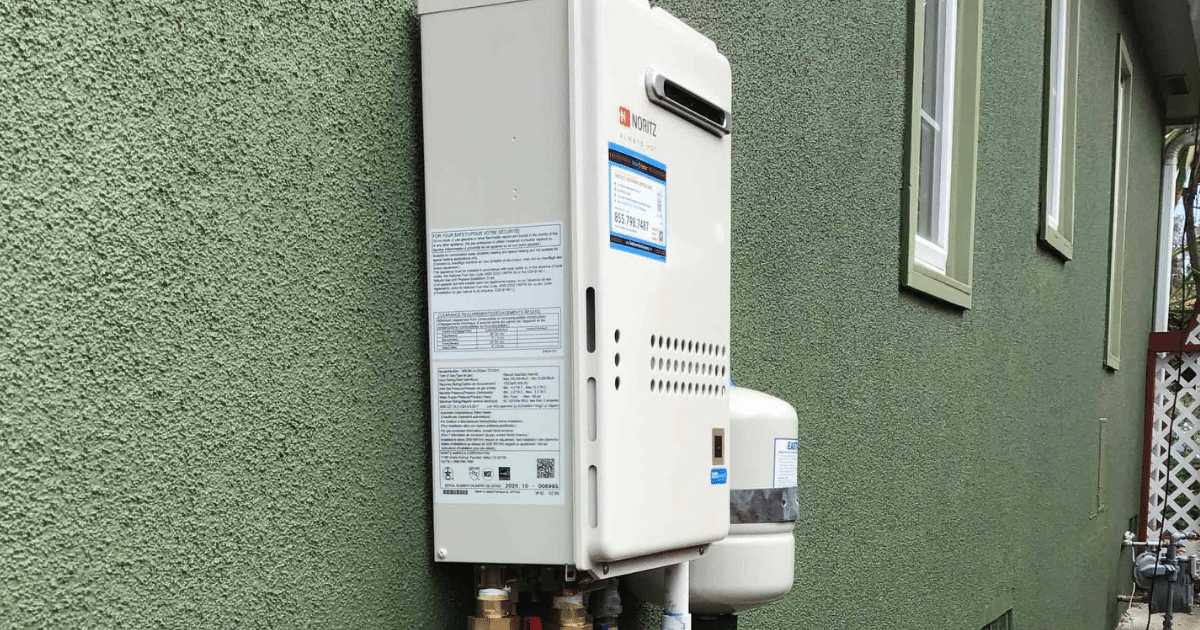
Unlike a conventional water heater that stores a set amount of hot water in a tank, a tankless water heater heats water on demand. When you turn on a faucet or start a shower, cold water flows through the unit, is heated instantly, and delivered directly to your tap.

Why it matters for homeowners:

  • You don’t run out of hot water during busy mornings or evening showers.

  • Energy is used only when water is needed, which can lower utility costs.

Benefits of Noritz Tankless Water Heaters for Southern California Homes

1. Endless Hot Water

One of the biggest frustrations with traditional tanks is running out of hot water during peak usage. With a tankless system, multiple showers, laundry loads, and dishwasher cycles can often run consecutively without interruption.

2. Energy Efficiency

Tankless water heaters heat water only when needed, rather than maintaining a full tank at a constant temperature. For Southern California homeowners, this can translate to noticeable savings on gas bills over time.

3. Space-Saving Design

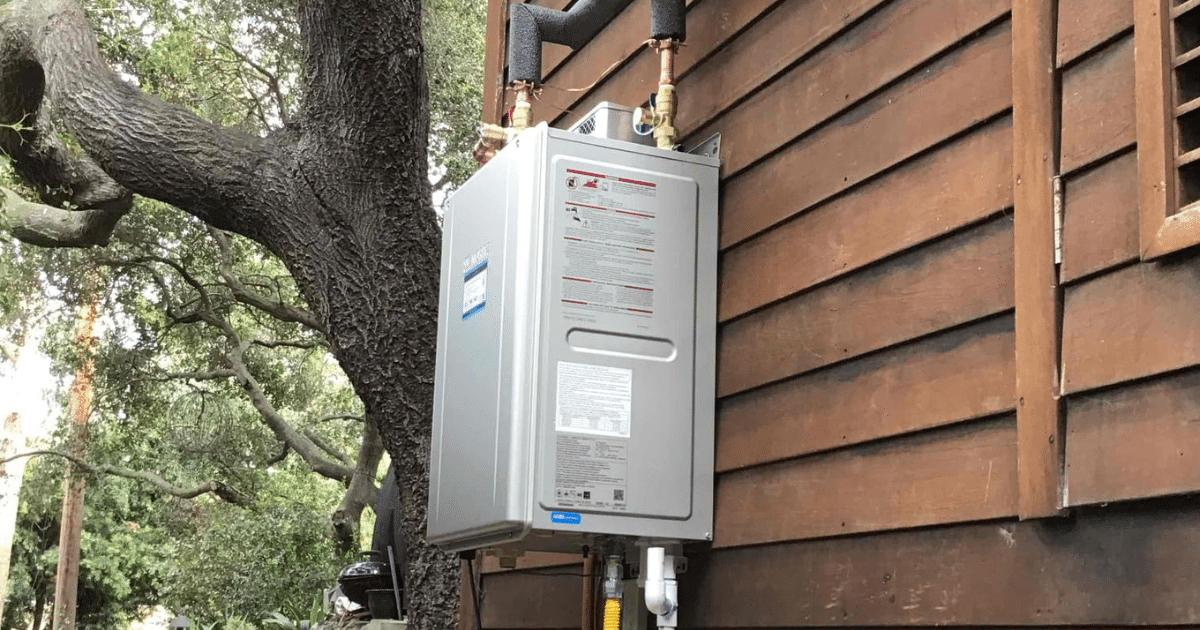
Noritz tankless units are compact and wall-mounted, freeing up valuable space in closets, garages, or utility rooms—something many California homes can benefit from, especially those with limited storage.

4. Longevity and Reliability

Traditional water heaters usually last around 8-12 years, while tankless systems like Noritz can often last 15-25 years or more with proper maintenance. This longevity can make them a smart long-term investment for your home.

Things to Consider Before Switching

While Noritz tankless water heaters offer many advantages, they aren’t perfect for every home. Here are some important factors to weigh:

  • Initial Cost: Tankless units generally cost a bit more upfront than traditional tanks due to the retrofitting requirements. However, many homeowners find the energy savings and longer lifespan offset this over time.

  • Flow Rate Limits: Tankless water heaters heat water as it flows, so very high simultaneous demand may require multiple units or careful planning for larger households. We can help size the system properly to avoid this.

  • Maintenance: Regular maintenance, like descaling for hard water, helps preserve efficiency and performance. Southern California’s varying water quality makes this an important consideration and an additional annual expense.


Let’s Keep It Real…

Traditional tank water heaters work well and are relatively easy to maintain, but they’re limited by capacity, consume more energy, and usually need replacement within a decade.

Tankless units are more complex and require professional installation and annual service — but when properly installed and maintained, they outperform tanks in both efficiency and longevity, often lasting twice as long.


Call THE Experts Today! 

Noritz tankless water heaters can be a game-changer for Southern California homes, offering endless hot water, energy efficiency, and a compact design. But as with any home upgrade, it’s important to evaluate your household’s needs and budget.

At THE Water Heater Company, we help homeowners navigate these decisions with total transparency and expertise. We don’t push one solution over another; we educate and guide you so you can make the choice that fits your home best.

Ready to explore whether a Noritz tankless water heater is right for your home? Call THE Water Heater Company at 877-798-7487 for a professional evaluation today.
Tank vs. Tankless Water Heaters

Tank vs. Tankless Water Heaters: What’s the Right Choice for Your Home?

Choosing a new water heater can feel overwhelming. Tank or tankless? What’s the difference? Which one is better?

The truth is—they both have great benefits. The best choice depends on you, your home, and how your family uses hot water.

Let’s break it down simply, so you can feel confident and informed.

What’s the Difference Between a Tank and a Tankless Water Heater?

It all comes down to how they heat and store water:

Tank Water Heaters (Traditional)
These systems come with a large tank—usually between 30 and 100 gallons—that stores hot water 24/7 and reheats it after each use.

Tankless Water Heaters
These units don’t store water. Instead, they heat water on demand, only when you turn on a tap, shower, or appliance.

Why Choose a Tank Water Heater?

Tank water heaters are still the most common in homes. Here’s why homeowners love them:

Lower cost upfront – Retrofitting for a tankless system typically costs 2–3x more than swapping in a new tank.
Simple to install – Often a like-for-like replacement that just needs to be brought up to code.
Easier to service – With just 3–4 components, parts are widely available and repairs are straightforward.
Consistent hot water – If a tank has worked for you before, it’ll keep working just the way you’re used to.

Things to consider:

  • Uses more energy by keeping water hot 24/7—even when you’re not using it. 
  • Once the tank runs out, you may wait 30–60 minutes for more hot water. 

Why Choose a Tankless Water Heater?

Tankless systems are becoming the go-to for modern and upgraded homes. Here’s why:

Energy efficient – They only run when you use hot water, making them about 30% more efficient than tanks.
Endless hot water – Perfect for long showers, big families, and oversized bathtubs.
Saves space – Wall-mounted and more compact (though space savings are often modest).
Longer lifespan – With proper maintenance, they can last 15–25 years (vs. 8–12 for tanks).

Things to consider:

  • Higher upfront costs due to the need to retrofit. 
  • Larger gas lines may need to be run from your meter to meet the system’s higher BTU demands. 
  • Repairs can be more technical, and parts may be more expensive. 
  • Annual maintenance is required, and skipping it can lead to costly repairs.

How to Know Which Is Right for You

Before choosing, ask yourself:

  • How many people live in your home? 
  • How many bathrooms do you have? 
  • Do you ever run out of hot water? 
  • Do you want a “set-it-and-forget-it” water heater, or are you okay with annual maintenance? 
  • Do you take lots of baths or have an oversized tub? 
  • Are you planning to stay in your home long-term? 

Need help thinking it through?
Check out our helpful guide:
Should I Go Tankless or Stick With a Traditional Water Heater?

We Don’t Pick Favorites—We Pick What’s Best for YOU

At THE Water Heater Company, we’re not here to tell you which water heater is better—we’re here to help you figure out which one is better for your home.

Our experienced technicians take the time to visit your home, ask the right questions, and perform a full evaluation. Then, we guide you to the option that best fits your comfort, budget, and long-term plans.

It’s not about what we like—it’s about what works for you.

Want to schedule a home evaluation? We’re happy to help.

Let’s Find Your Perfect Fit

Whether you go tank or tankless, the right water heater will:

  • Keep your showers hot 
  • Lower your energy bills 
  • And keep your home running smoothly 

Need help deciding?
Call THE Water Heater Company at (877) 798-7487 to speak with a real expert who cares.

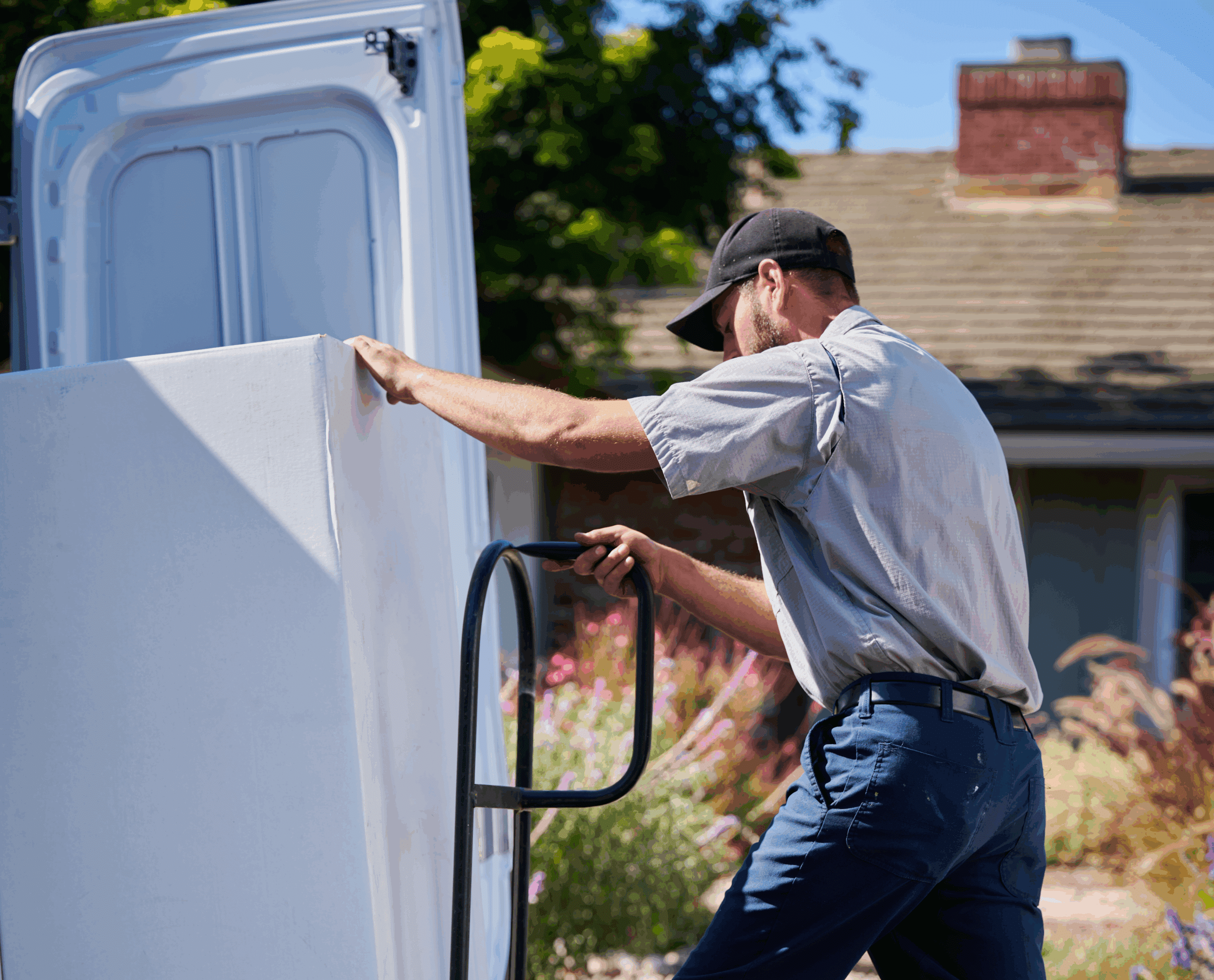
loading water heater into service van

Should I Go Tankless or Stick with a Traditional Water Heater?

When it comes to choosing between a tankless and traditional water heater, California homeowners often face a tough decision. Both types have their pros and cons, and understanding the differences in installation, energy efficiency, space requirements, and long-term performance can help you make the best choice for your home, budget, and lifestyle. Here’s a comparison of tankless and traditional water heaters to guide your decision.

Traditional Tank Water Heaters

A traditional tank water heater stores and preheats a large volume of water, usually between 30 and 80 gallons. The water is heated continuously, keeping it ready for use. This setup is widely used due to its lower initial cost and straightforward installation.

Pros of Traditional Water Heaters

  • Lower Upfront Cost: Tank water heaters are generally less expensive to purchase and install than tankless models.
  • Consistent Supply for High Demand: With a large tank of heated water on standby, traditional models can serve multiple outlets simultaneously, making them a good option for households with frequent hot water needs.
  • Simple Installation and Maintenance: Since traditional water heaters are more common, finding replacement parts and repair services is generally easier and more affordable.

Cons of Traditional Water Heaters

  • Higher Energy Costs: Traditional tanks continuously heat water to maintain the set temperature, resulting in energy loss even when you’re not using hot water (standby heat loss).
  • Limited Hot Water Supply: Once the hot water in the tank is depleted, there’s a delay while it refills and reheats, which can be inconvenient for larger households.
  • Larger Space Requirements: These water heaters take up more space, which can be a drawback if storage is limited.

Tankless Water Heaters

Tankless water heaters, also known as on-demand units, heat water only when needed. This eliminates standby heat loss and can make tankless models more energy-efficient. These compact units are becoming popular in California due to their efficiency and space-saving design.

Pros of Tankless Water Heaters

  • Energy Efficiency: Without a tank to keep heated, tankless units can be up to 30% more energy-efficient, especially in households with lower daily hot water usage.
  • Unlimited Hot Water Supply: Tankless models heat water on demand, meaning you’ll never run out of hot water as long as the unit meets your household’s flow rate needs.
  • Space Savings: Their compact design allows them to be installed in smaller spaces, even on walls, freeing up valuable floor space in your home.

Cons of Tankless Water Heaters

  • Higher Upfront Cost: Tankless water heaters typically have a higher purchase and installation cost than traditional models, although the energy savings may offset this over time.
  • Limited Flow Rate for High Demand: If multiple outlets require hot water simultaneously, the flow rate may limit performance. Larger households may need more than one unit to meet demand.
  • Complex Installation Requirements: Installation can be more complex, often requiring upgrades to gas lines or electrical capacity, which can increase initial costs.

Which Option Is Right for You?

The best choice depends on your household’s needs and priorities:

  • If you prioritize lower upfront costs and have frequent simultaneous hot water needs, a traditional tank water heater may be best.
  • If energy savings, endless hot water, and space efficiency are key, and you’re willing to invest in a higher initial cost, a tankless water heater could be a better fit.

Installation Costs and Long-Term Performance

The cost to install a traditional water heater is generally lower due to simpler installation. Tankless models, though more expensive upfront, often deliver long-term savings on utility bills. Tankless units also tend to have longer lifespans (up to 20 years) compared to tank models (10-15 years), adding to their long-term value.

Contact THE Water Heater Company for Expert Guidance!

If you’re still unsure which water heater option is best for you, THE Water Heater Company is here to help! Our experienced technicians can assess your home’s hot water needs and guide you toward the right solution. Call us today for expert advice and reliable installation, ensuring your water heater meets your family’s needs now and in the future.

The Difference Between Tank vs. Tankless Water Heaters

If you’re in the market for a new water heater, it’s important to understand the difference between the two main options you can choose from. Those options are tank water heaters and tankless water heaters. They both function in different ways and come with their own unique pros and cons.

In this guide, we’ll help you take a closer look at what each of these options offers and what the advantages and disadvantages are to using them:

Tankless Water Heaters

As the name suggests, tankless water heaters don’t store hot water in a tank for it to be used later. Instead, they heat water on-demand. The water is not stored in a tank, so it doesn’t need to be continually reheated to combat heat loss the way tank water heaters need to. Tankless heaters are becoming more popular because of their efficiency, but they aren’t as common or tried-and-true as tank heaters just yet.

Pros

Durability: When your new tankless water heater is installed, it will last for up to 20 years and often longer than that. They’re highly durable and their parts can be replaced easily. On the other hand, tank water heaters typically last only 10–15 years, and replacement parts can be more difficult to find, depending on your model.

Size: Because there is no storage unit in a tankless heater, they also take up less space in the home. If your storage space is limited, a tankless water heater is a great option

Energy and Cost Efficiency: As mentioned, tankless heaters provide hot water on-demand, meaning they save money in standby heat loss and lower your energy bills

Safety: Tankless water heaters can be much safer than regular tank water heaters because they don’t include a tank that can be overpressurized or overheated, thus eliminating these risks altogether.

Cons

Higher Upfront Costs: When you first buy your tankless water heater and have it installed, it will cost you more money than if you were to choose a tank water heater. The higher costs are a result of the more advanced systems and technology used by tankless water heaters. They can also be a little more complicated to install and maintain.

Limits to Simultaneous Usage: While tankless heaters do provide on-demand hot water, they also have limitations on their flow rate. This means that simultaneous usage, such as showering and running the dishwasher at the same time, could push a tankless heater to its limit

Home Accommodations: Some homes will require considerable changes to their electrical systems or gas line to ensure they can accommodate the tankless heater. You have to be aware of the voltage and amperage requirements of the tankless heater and, if you’re switching from a tank water heater, reconfigure the space surrounding the unit to accommodate a tankless one.

Who Should Buy a Tankless Water Heater?

Anyone looking for a fast and convenient source of hot water in the home should opt for a tankless water heater. They will be able to provide you with the hot water you need, when you need it, although simultaneous usage should be considered. You’re also far less likely to have to deal with breakdowns early in the water heater’s lifespan, and that gives you some peace of mind.

Tank Water Heaters

Tank water heaters store water in a tank and heat it so that it’s ready to be used when needed. The water reheats while on standby and the tank regularly fills and heats after the water in it has been used. Tank water heaters come in a variety of sizes. Small tanks hold 30 to 60 gallons of water at a time, while medium- and large-sized tanks hold around 80 gallons.

Pros

Cheaper Installation Costs: Tank water heaters are cheaper and easier to install than tankless heaters, reducing your upfront costs.

Cheaper Maintenance: When something goes wrong with your water heater, chances are it will be cheaper to fix in a tank water heater. Generally speaking, the cost of replacement parts is lower for tank water heaters than for tankless water heaters.

Dependability: Tank water heaters have been around for years, and models continuously upgrade to ensure you have a dependable heater in your home with the necessary safety features. Tankless heaters are newer and not as common, meaning many manufacturers are still testing different features that could make tankless heater models better.

Cons

Heating Times: Waiting for the tank to refill and reheat can be frustrating, whereas tankless water heaters provide instantaneous hot water

Standby Heat Loss and Higher Energy Bills: Because a tank water heater continuously heats up water in the tank until it is used, more energy is wasted on standby heat loss. This also increases the cost of your energy bill

Shorter Lifespan: Tank water heaters tend to last for an average of 10–15 years before they need to be replaced. Tankless water heaters tend to last up to 5 years longer.

Who Should Buy a Tank Water Heater?

The simplicity and dependability offered by tank water heaters is what makes them appealing to many people. They’re easy to install, operate, maintain, and repair. Problems can be easier to diagnose than a tankless water heater. Tank heaters also have cheaper water heater installation costs than tankless water heaters, which can be beneficial to those looking for lower upfront costs.

If you want to learn more about the tank and tankless water heaters to decide which one is best for your home, contact THE Water Heater Company today.

Understanding the Value of Paying for a Water Heater Repair/Replacement Estimate

When faced with water heater problems, homeowners often find themselves in a dilemma. Should they pay for a service call or estimate? It’s a valid question, and one that we, at THE Water Heater Company, aim to address. In this article, we’ll explain the reasons behind charging for estimates and highlight the value-added benefits that come with it. By understanding these factors, homeowners can make an informed decision and ensure a smooth and reliable repair experience for their water heater.

Expertise and Time

Assessing and diagnosing water heater issues requires the expertise of a professional technician. These skilled individuals possess the knowledge and experience necessary to accurately identify the problem and provide the most effective solutions. They invest their time in carefully evaluating the unit, examining its components, and determining the root cause of the issue. By charging a fee for estimates, we are compensating our technicians for their valuable time and expertise, ensuring that you receive the highest quality service.

Cost Recovery

Operating a home service company involves various expenses, including maintaining a fleet of service vehicles, carrying several types of insurance, employing skilled technicians, and acquiring specialized tools and equipment, to name a few. Charging for estimates helps us recover these costs and continue providing exceptional service. By supporting us through this process, homeowners contribute to the sustainability and reliability of our business, enabling us to offer the best solutions for water heater maintenance, repairs, and replacement.

Serious Inquiries

At THE Water Heater Company, we strive to prioritize our resources and provide prompt service to homeowners who genuinely require our assistance. Charging for estimates helps us distinguish between casual inquiries and customers who are committed to resolving their water heater issues. By investing in an estimate, homeowners demonstrate their seriousness about addressing the problem, ensuring that our skilled technicians can dedicate their expertise to the customers who need it most.

Value-Added Service

Beyond simply providing an estimate, we believe in delivering comprehensive value to our customers.

When you choose to pay for an estimate, you can expect a range of additional benefits:

  • Thorough Inspection: Our technicians conduct a detailed inspection of your water heater, examining its various components to identify any potential issues or underlying causes. This comprehensive assessment ensures that no problem goes unnoticed.
  • Assessment Report: With your paid estimate, you’ll receive a detailed assessment report that outlines the identified problems, recommended solutions, and an estimated cost for repairs. This report serves as a valuable reference and helps you make an informed decision about the necessary steps to resolve the issue.
  • Professional Advice: Our experienced technicians are more than just repair experts. They can provide professional advice on water heater maintenance, and energy efficiency improvements, and answer any questions you may have. This personalized guidance ensures that you have the knowledge needed to maintain your water heater effectively and extend its lifespan.

Understanding the reasons behind charging for estimates is essential for homeowners facing water heater problems. By appreciating the expertise and time invested by professionals, recognizing the need for cost recovery, and valuing the benefits of a paid estimate, homeowners can make an informed decision. At THE Water Heater Company, we are committed to providing exceptional service and ensuring that every customer receives the highest quality repairs or replacement for their water heater. Not only that, but we apply the cost of the estimate/assessment towards the project once you are ready to move forward.

How Long Should a Tankless Water Heater Last?

If you’re about to buy a new water heater and you’re currently comparing the options, one of the things you’ll want to take into account is the durability and long-term performance of each type of water heater. You want your heater to last a long time and provide the security that comes with durability.

Tankless water heaters are known to last longer and offer greater durability than regular tank water heaters. But how long should your tankless water heater last? And what makes them more durable than other options? Here’s what you need to know:

Lifespan

Most tankless water heaters will last for up to 20 years or more, which is a long lifespan in comparison to tank water heaters, which last around 10–15 years.

Tankless water heaters use new technology that helps them to stay functional and operational for much longer than some of the alternatives out there. They’re at the cutting edge of water heating technology and many of the newer models are even increasing their lifespans years past the expected 20 years.

The longer lifespans of tankless water heaters can be highly beneficial. Not having to worry about replacing a failing water heater for a couple of decades offers both peace of mind and a lower overall cost.

Easily Replaceable Parts

If a problem does occur with your tankless water heater before its 20-year lifespan is complete, it can usually be fixed relatively easily. Most replacement parts for tankless heaters are very easy to find, and keeping up on regular maintenance can increase the lifespan of your heater.

Keep in mind that some parts are more expensive compared to parts for tank water heaters, but they’re very easy to install, meaning experts won’t have to spend a lot of time resolving issues that occur.

Fewer Corrosion Problems

Another benefit that tankless water heaters have is that they don’t suffer from the same corrosion problems often associated with tank water heaters. This is because many issues with water heaters tend to be associated with the tank itself, whether it be a leak, rust, or sediment buildup.

Installation

The durability and lifespan of a tankless heater can depend on how it is installed, so if you’re currently looking to purchase a tankless water heater, be sure to have the necessary work carried out by a professional who knows what they’re doing. Even though professional installation costs are more expensive on a tankless heater than on a tank type heater, it’s worth the extra cost to ensure your heater works properly and lasts longer to save you money down the road.

It’s also important to know that tankless water heaters need to be located correctly in the home. They’re quite small because there is, of course, no tank taking up space in the home, which can be advantageous for smaller homes. Keep this in mind as you work with a professional to make accommodations in your home that will allow your tankless heater to last as long as possible.

Overall, tankless water heaters are a great option for those who are seeking greater durability and a longer lifespan for their water heater. They can also save you a lot of money in energy bills and replacement costs down the road, and they are more environmentally friendly.

If you need installation service for a new tankless heater or a repair service to ensure your current tankless heater lasts as long as possible, reach out to THE Water Heater Company today.

How to Care for and Troubleshoot Your Noritz Tankless Water Heater

Noritz tankless water heaters present you with error codes when something is wrong, and knowing how to understand these error codes and troubleshoot them appropriately is truly vital. That’s what we’re going to cover for you today. We know how frustrating it can be when you’re faced with what seems like a random code that you’ve never seen before. But we’re about to clear things up for you.

We’ll first discuss how to take care of your Noritz tankless water heater and then move onto the common problems and the error codes attached to them. That way, you’ll know what the problem is and what to do about it next time your water heater displays an error code. Read on now to find out more.

How to Care for Your Noritz Tankless Water Heater

One thing you can and should do regularly to maintain your Noritz tankless water heater in the right way is to purge the port valves. You do this by attaching hose lines and opening the relevant purge port valves. As long as you prepare properly and have a safe discharge location, this should be an easy process and it’ll remove waste from the heater system.

You can also use undiluted white vinegar to clean out the water heater now that you’ve purged its lines. There’s a range of draining and flushing procedures recommended by the manufacturer so be sure to follow these when cleaning out the water heater. Whatever you do, don’t use harsh chemicals during the cleaning process because these will only cause damage.

When all that’s done, you’ll want to turn the water on again. This is something that you should do slowly in order to remove any trapped air from the system. Do it by finding the faucet furthest away from the heater and turning it on slowly because this will remove the air safely.

Noritz Tankless Water Heater Troubleshooting Guide

When you see an error code, it means there’s something wrong with your Noritz tankless water heater. Most of these problems can be fixed pretty easily with a basic set of tools, even if you’re no expert. Find out about some of the most common error codes and how to troubleshoot them below.

Error Code 05

This is an automatic service reminder telling you that your system is due to a service. When you see this, call a licensed technician and book a service.

Error Code 10

If the combustion continues or the power drops even after the unit has been turned off, you’ll see this error code. Look for foreign objects and materials like oil and grease on the burner that might still be burning.

Error Code 11

Error Code 11 signals a problem with the ignition. When there’s an ignition failure in your water heater, you should check the gas pressure and see if there’s anything obstructing the air supply. Any such obstructions should be removed.

Error Code 12

When the water isn’t being heated properly, it’s often because of a weak flame. Check the airflow is correct and make sure the flame sensor isn’t being covered by any debris. Cleaning it might fix the problem too.

Error Code 14

This error code means the thermal flame has failed for some reason. It might be necessary for you to replace the thermal flame. Flushing the heat exchanger and checking the water quality is important because this can cause it to clog up.

Error Code 16

This error code is telling you that the water temperature is too high. This is usually caused by scale buildup or hard water, so descaling the system is a good idea. The maintenance process described above can be used.

Error Code 20

This error code shows when the high limit switch has been activated. Checking the switch and replacing it if necessary is one thing you can do. If that’s not necessary, descaling the water heater might be the answer.

Error Code 29

When the water level in the neutralizer isn’t draining correctly, you’ll see Error Code 29. To overcome the problem, you’ll need to ensure the condensate drain line is correctly routed and no obstructions are causing problems.

Error Code 59

This error code means that there’s low gas BTU input and that combustion problem are being caused as a result. Ensure air is flowing to the combustion chamber and set the correct gas pressure to address the problem. Cleaning the fan and burner chamber might help too.

Be sure to follow the advice outlined above next time you have a problem with your Noritz tankless water heater. Just find the error code that’s being displayed and take the actions we’ve described here.

Water Heaters for Big Families

What’s the Best Hot Water Heater for a Large Family?

If you have a big family, you know all about the constant war for the bathroom each day. It can be hard enough to get 5 minutes alone in the bathroom, let alone 5 minutes with enough hot water left to shower in, too!

Between family members who need to shower, loads of laundry that need to be cleaned, and dirty dishes that need to be washed, it’s easy for a family to go through large amounts of hot water without even realizing it.

So what can you do if your hot water is constantly running out? Some solutions might be to get a bigger water tank and a better water heater. Let’s evaluate your options so you can pick the right type of water heater for your family’s needs.

Water Heater Tank Size

You could opt to get a bigger tank so that it can hold more water. The advantage of getting a bigger tank is that it will be able to store more hot water at one time. You can use either gas or electricity to heat the water. The installation process is short, and tank water heaters are very cost-effective in terms of the cost of the unit as well as the cost to repair.

The downsides are that it will, however, take up more space, and it will take longer to heat up the water inside it; once that water’s gone, you’ll have to wait about 30–40 minutes for the average gas water heater to reheat, and twice that amount of time for the average electric water heater.

If you do decide to go with a tank water heater, the size of your family will be one factor that dictates the size of the tank that you go for. A general way to estimate what size of tank you’ll need is to add 12 gallons per family member. So a 50-gallon tank would be adequate for the average family of 2–3 children. Other estimates assign slightly more water for each person, saying you’ll need a 30–40-gallon tank for 1–2 people, 40–50 gallons for 3–4 people, and 60–80 gallons for 5 or more people.

However, the truth is, these estimates may be different from what your family’s water usage actually is since they fail to account for how frequently the members of your family shower, do laundry, and use water in other ways. An experienced water heater repair technician can help you take your family’s needs into account and select the size that will be best for you.

Are Tankless Water Heaters Good for Large Families?

If tank water heaters don’t seem to be doing the trick for your family, another option you may want to consider is to invest in a tankless water heater. There’s no bulky water tank, and you don’t have to wait for your water to heat up to the right temperature because the water is heated up almost immediately when you need it.

This can be a great option if you’re getting tired of running out of hot water since a tankless heater will never “run out” of water. However, you still need to take your family size, home size, and usage habits into account. If you’re running several showers or appliances at once and it overburdens your heater, your water still might not heat up to the desired temperature. Large families that would need the equivalent of an 80+ gallon tank water heater will probably need to install two tankless heaters to keep up with demand—but keep in mind that this option will be significantly more expensive.

It’s Personal

In the end, big families generally use more water than small ones because of the difference that the number of people in one house makes. But it’s still possible for a large family to get along with a smaller water heater if they take shorter showers, shower at different times instead of simultaneously, or do fewer loads of laundry—it all depends on your personal habits. Be sure to consider your options and needs when choosing a water heater for your family.

Rinnai Tankless Water Heaters: Error Codes

Rinnai tankless water heaters are known for their energy efficiency and long-lasting performance. However, like any appliance, they can experience issues from time to time. If you own a Rinnai tankless water heater, it’s important to be aware of the various error codes that may appear on the display screen.

Here’s a comprehensive list of Rinnai error codes and what they mean:

  • Rinnai Error Code 00 –This error code indicates a communication problem between the remote control and the water heater. Check the remote control wiring connections and replace any faulty components as necessary.
  • Rinnai Error Code 01 –This error code indicates a problem with the ignition or flame detection system. Check the gas supply, gas pressure, and the ignition and flame sensors, and clean or replace them as necessary.
  • Rinnai Error Code 02 –This error code indicates a problem with the combustion chamber temperature sensor. Check the sensor and wiring connections, and replace or repair them as necessary.
  • Rinnai Error Code 03 –This error code indicates a problem with the ignition or flame detection system. Check the gas supply, gas pressure, and the ignition and flame sensors, and clean or replace them as necessary.
  • Rinnai Error Code 05 –This error code indicates a problem with the combustion air sensor. Check the sensor and wiring connections, and replace or repair them as necessary.
  • Rinnai Error Code 06 –This error code indicates a problem with the exhaust temperature sensor. Check the sensor and wiring connections, and replace or repair them as necessary.
  • Rinnai Error Code 07 –This error code indicates a problem with the heat exchanger temperature sensor. Check the sensor and wiring connections, and replace or repair them as necessary.
  • Rinnai Error Code 10 –This error code indicates a problem with the combustion chamber temperature sensor. Check the sensor and wiring connections, and replace or repair them as necessary.
  • Rinnai Error Code 11 –This error code indicates a problem with the gas supply or gas pressure. Check the gas supply and gas pressure, and repair or replace any faulty components as necessary.
  • Rinnai Error Code 12 –This error code indicates a problem with the flame failure or improper flame detection. Check the ignition and flame sensors, and clean or replace them as necessary.
  • Rinnai Error Code 14 –This error code indicates a problem with the thermal fuse or overheating. Check the thermal fuse, ventilation system, and heat exchanger, and clean or replace them as necessary.
  • Rinnai Error Code 16 –This error code indicates a problem with the temperature controller or wiring connections. Check the controller and wiring connections, and replace or repair them as necessary.
  • Rinnai Error Code 18 –This error code indicates a problem with the water flow rate. Check the water flow rate and pressure, and repair or replace any faulty components as necessary.
  • Rinnai Error Code 19 –This error code indicates a problem with the high-limit switch or overheating. Check the ventilation system, heat exchanger, and high-limit switch, and clean or replace them as necessary.
  • Rinnai Error Code 25 –This error code indicates a problem with the inlet thermistor or wiring connections. Check the thermistor and wiring connections, and replace or repair them as necessary.
  • Rinnai Error Code 31 –This error code indicates a problem with the inlet water supply or pressure. Check the water supply and pressure, and repair or replace any faulty components as necessary.
  • Rinnai Error Code 32 –This error code indicates a problem with the outlet water temperature sensor or wiring connections. Check the sensor and wiring connections, and replace or repair them as necessary.
  • Rinnai Error Code 33 –This error code indicates a problem with the heat exchanger or overheating. Check the heat exchanger and ventilation system, and clean or replace them as necessary.
  • Rinnai Error Code 34 –This error code indicates a problem with the combustion air pressure sensor. Check the sensor and wiring connections, and replace or repair them as necessary.
  • Rinnai Error Code 51 –This error code indicates a problem with the mixing valve or mixing valve wiring connections. Check the valve and wiring connections, and replace or repair them as necessary.
  • Rinnai Error Code 52 –This error code indicates a problem with the outlet thermistor or wiring connections. Check the thermistor and wiring connections, and replace or repair them as necessary.
  • Rinnai Error Code 61 –This error code indicates a problem with the fan or fan wiring connections. Check the fan and wiring connections, and replace or repair them as necessary.
  • Rinnai Error Code 63 –This error code indicates a problem with the electronic control board or wiring connections. Check the control board and wiring connections, and replace or repair them as necessary.
  • Rinnai Error Code 65 –This error code indicates a problem with the water flow sensor or wiring connections. Check the sensor and wiring connections, and replace or repair them as necessary.
  • Rinnai Error Code 71 –This error code indicates a problem with the gas valve or wiring connections. Check the valve and wiring connections, and replace or repair them as necessary.
  • Rinnai Error Code 72 –This error code indicates a problem with the bypass servo or wiring connections. Check the servo and wiring connections, and replace or repair them as necessary.
  • Rinnai Error Code 73 –This error code indicates a problem with the modulating valve or wiring connections. Check the valve and wiring connections, and replace or repair them as necessary.
  • Rinnai Error Code 74 –This error code indicates a problem with the mixing valve or mixing valve wiring connections. Check the valve and wiring connections, and replace or repair them as necessary.
  • Rinnai Error Code 75 –This error code indicates a problem with the mixing valve or mixing valve wiring connections. Check the valve and wiring connections, and replace or repair them as necessary.
  • Rinnai Error Code 76 –This error code indicates a problem with the combustion air pressure sensor or wiring connections. Check the sensor and wiring connections, and replace or repair them as necessary.

By understanding these error codes and their meanings, you can troubleshoot and repair your Rinnai tankless water heater quickly and effectively. It’s important to note that attempting to diagnose or repair your Rinnai tankless water heater on your own can be dangerous and can potentially cause further damage to the unit.

It’s recommended to contact a professional Water Heater Technician if you encounter any error codes or issues with your water heater. With regular maintenance and timely repairs, your Rinnai tankless water heater can provide years of reliable, energy-efficient service for your home or business.

THE Water Heater Company is a small family-owned and operated business. If you are in our service area and need assistance with your tankless water heater, give us a call. We look forward to helping you with your water heater repair and maintenance needs!

Noritz Tankless Water Heaters: Error Codes

As a proud owner of a Noritz tankless water heater, you can enjoy endless hot water on demand, energy savings, and a compact design that takes up less space than traditional tank water heaters. However, like any other appliance, your tankless water heater may experience occasional malfunctions or error codes that require troubleshooting and repair. Knowing what these error codes mean and how to fix them can help you avoid costly repairs and extend the life of your water heater. In this article, we’ll cover the most common Noritz tankless water heater error codes and their meanings.

What Do Noritz Tankless Water Heater Error Codes Mean?

  • Noritz Error Code 10 –This error code indicates a flame failure or flame loss in the combustion chamber. Check the gas supply, igniter, and flame sensor for any issues, and clean or replace them as necessary.
  • Noritz Error Code 11 –This error code indicates an ignition failure, which can be caused by a malfunctioning igniter or gas valve. Check the igniter and gas valve and replace them as necessary.
  • Noritz Error Code 12 –This error code indicates a flame loss during operation, which can be caused by low gas pressure, insufficient combustion air, or a dirty or damaged flame sensor. Check the gas supply, combustion air supply, and flame sensor, and clean or replace them as
  • necessary.
  • Noritz Error Code 14 –This error code indicates a thermal fuse failure, which can be caused by a malfunctioning fuse or overheating in the heat exchanger. Check the fuse and heat exchanger and replace them as necessary.
  • Noritz Error Code 16 –This error code indicates overheat protection, which can be caused by low water flow, dirty or clogged filters, or a malfunctioning heat exchanger. Check the water flow rate, filters, and heat exchanger, and clean or replace them as necessary.
  • Noritz Error Code 21 –This error code indicates a gas inlet temperature sensor failure. Check the sensor and wiring connections and replace them as necessary.
  • Noritz Error Code 22 –This error code indicates an outlet temperature sensor failure. Check the sensor and wiring connections and replace them as necessary.
  • Noritz Error Code 29 –This error code indicates heat exchanger overheat protection, which can be caused by low water flow, dirty or clogged filters, or a malfunctioning heat exchanger. Check the water flow rate, filters, and heat exchanger, and clean or replace them as necessary.
  • Noritz Error Code 31 –This error code indicates an inlet thermistor failure. Check the thermistor and wiring connections and replace them as necessary.
  • Noritz Error Code 32 –This error code indicates an outlet thermistor failure. Check the thermistor and wiring connections and replace them as necessary.
  • Noritz Error Code 33 –This error code indicates a heat exchanger thermistor failure. Check the thermistor and wiring connections and replace them as necessary.
  • Noritz Error Code 51 –This error code indicates a fan motor failure. Check the motor and wiring connections and replace them as necessary.
  • Noritz Error Code 52 –This error code indicates an exhaust blockage. Check the exhaust venting and clean or remove any blockages.
  • Noritz Error Code 59 –This error code indicates overheating abnormality, which can be caused by low water flow, dirty or clogged filters, or a malfunctioning heat exchanger. Check the water flow rate, filters, and heat exchanger, and clean or replace them as necessary.
  • Noritz Error Code 90 –This error code indicates combustion abnormality, which can be caused by a malfunctioning gas valve, improper gas pressure setting, insufficient combustion air supply, or a dirty or damaged flame sensor. Check the gas supply, gas pressure, combustion air supply, and flame sensor, and clean or replace them as necessary.
  • Noritz Error Code 92 –This error code indicates a neutralizer abnormality, which can be caused by a clogged or damaged neutralizer or improper installation. Check the neutralizer and installation, and clean or replace it as necessary.
  • Noritz Error Code 99 –This error code indicates a communication error between the control board and other components. Check the wiring connections and replace any damaged components as necessary.
  • Noritz Error Code 108 –This error code indicates a flow sensor failure. Check the flow sensor and wiring connections and replace them as necessary.
  • Noritz Error Code 111 –This error code indicates a hot water outlet thermistor failure. Check the thermistor and wiring connections and replace them as necessary.
  • Noritz Error Code 112 –This error code indicates a cold water inlet thermistor failure. Check the thermistor and wiring connections and replace them as necessary.

Now that you know the Noritz tankless water heater error codes and their meanings, you can troubleshoot your unit; however, we highly recommend you contact a water heater specialist for assistance. Regular maintenance, such as descaling the heat exchanger, cleaning or replacing
filters, and inspecting components for wear and tear, can also help prevent error codes and prolong the lifespan of your water heater.

THE Water Heater Company is a small family-owned and operated business. We are Noritz Authorized Service Providers so if you are in our service area and need assistance with your tankless water heater, give us a call. We look forward to helping you with your water heater repair and maintenance needs.

Navien Tankless Water Heaters: Error Codes

Navien is a leading brand in the tankless water heater market, providing energy-efficient and reliable solutions for homes and businesses. However, like any mechanical device, Navien tankless water heaters can experience errors and malfunctions that require troubleshooting and repair. In this article, we’ll cover the most common Navien tankless water heater error codes and their meanings, so you can identify and resolve any issues quickly and efficiently.

Navien Tankless Water Heaters Error Codes Explained

  • Navien Error Code 001 –This error code indicates an ignition failure, which can be caused by a gas supply problem, a blocked or dirty air filter, or a damaged ignition device. Check the gas supply, air filter, and ignition device, and clean or replace them as necessary.
  • Navien Error Code 002 –This error code indicates an overheating problem, which can be caused by a faulty temperature sensor or a clogged heat exchanger. Check the temperature sensor and heat exchanger, and clean or replace them as necessary.
  • Navien Error Code 003 –This error code indicates a circulation pump problem, which can be caused by faulty pump or wiring connections. Check the pump and wiring connections, and replace or repair them as necessary.
  • Navien Error Code 004 –This error code indicates a flow sensor problem, which can be caused by a faulty sensor or wiring connection. Check the sensor and wiring connections, and replace or repair them as necessary.
  • Navien Error Code 006 –This error code indicates a fan motor problem, which can be caused by faulty motor or wiring connections. Check the motor and wiring connections, and replace or repair them as necessary.
  • Navien Error Code 010 –This error code indicates an exhaust blockage or improper venting, which can be caused by a clogged vent pipe or flue, insufficient ventilation, or incorrect installation. Check the venting system and installation, and clean or replace components as necessary.
  • Navien Error Code 012 –This error code indicates a flame loss, which can be caused by insufficient gas supply, low gas pressure, or a dirty burner. Check the gas supply and pressure, and clean the burner as necessary.
  • Navien Error Code 013 –This error code indicates a thermistor problem, which can be caused by a faulty sensor or wiring connection. Check the thermistor and wiring connections, and replace or repair them as necessary.
  • Navien Error Code 016 –This error code indicates a communication error between the circuit board and other components, which can be caused by a faulty circuit board or wiring connections. Check the circuit board and wiring connections, and replace or repair them as necessary.
  • Navien Error Code 021 –This error code indicates a problem with the water inlet thermistor, which can be caused by a faulty sensor or wiring connections. Check the thermistor and wiring connections, and replace or repair them as necessary.
  • Navien Error Code 022 –This error code indicates a problem with the outgoing water thermistor, which can be caused by a faulty sensor or wiring connections. Check the thermistor and wiring connections, and replace or repair them as necessary.
  • Navien Error Code 027 –This error code indicates an overvoltage problem, which can be caused by a power surge or faulty electrical components. Check the electrical system and components, and replace or repair them as necessary.
  • Navien Error Code 029 –This error code indicates a problem with the air pressure sensor, which can be caused by a faulty sensor or wiring connections. Check the sensor and wiring connections, and replace or repair them as necessary.
  • Navien Error Code 038 –This error code indicates a problem with the combustion chamber or flame rod, which can be caused by a dirty or damaged flame rod or improper combustion
  • Navien Error Code 040 –This error code indicates a problem with the air intake filter, which can be caused by a dirty or clogged filter. Check the air intake filter and clean or replace it as necessary.
  • Navien Error Code 048 –This error code indicates a problem with the mixing valve, which can be caused by a faulty valve or wiring connections. Check the valve and wiring connections, and replace or repair them as necessary.
  • Navien Error Code 055 –This error code indicates a problem with the heat exchanger, which can be caused by a dirty or clogged heat exchanger. Check the heat exchanger and clean or replace it as necessary.
  • Navien Error Code 057 –This error code indicates a problem with the water pressure sensor, which can be caused by a faulty sensor or wiring connections. Check the sensor and wiring connections, and replace or repair them as necessary.
  • Navien Error Code 060 –This error code indicates a problem with the gas valve or regulator, which can be caused by a faulty valve or regulator or wiring connections. Check the valve or regulator and wiring connections, and replace or repair them as necessary.
  • Navien Error Code 069 –This error code indicates a problem with the fan or fan motor, which can be caused by a faulty fan or fan motor or wiring connections. Check the fan or fan motor and wiring connections, and replace or repair them as necessary.

By understanding these error codes and their meanings, you can troubleshoot and repair your Navien tankless water heater quickly and effectively. However, it’s always best to contact a professional Water Heater Technician for assistance. With regular maintenance and timely repairs, your Navien tankless water heater can provide years of reliable, energy-efficient service for your home or business.

THE Water Heater Company is a small family-owned and operated business. If you are in our service area and need assistance with your tankless water heater, give us a call. We look forward to helping you with your water heater repair and maintenance needs!

Most Common Problems With Tankless Water Heaters

What Are the Most Common Problems With Tankless Water Heaters?

As advanced and convenient as they are, all tankless water heaters are susceptible to problems as they experience wear and tear. No appliance is without the risk of fault throughout its lifetime. Unlike traditional tank water heaters, tankless water heaters come with their own set of common problems.

Tankless water heaters offer excellent energy efficiency, space-saving in the property, and the potential to save money. Those benefits can be undermined by certain issues, however, so it’s important to understand what common problems are and how to avoid or resolve them.

Overload

Every tankless water heater has a flow rate capacity that should give you a good idea of how much hot water can be used simultaneously. If you go over that capacity, then you could overload the system and cause problems. This is a common issue because many homeowners don’t realize that tankless water heaters have limitations for simultaneous hot water usage.

If your tankless water heater is overloaded, then you might find that some of the users are getting hot water and others aren’t. In some cases, a system overload can lead to the heater shutting down entirely.

The best way to prevent a system overload is to understand your heater’s capacity and how many different appliances can use it at the same time. If you’re running into a consistent issue, however, call a professional. You may need to consider upgrading your heater or even getting a second heater to make up the deficit.

Cold Water Sandwich Effect

You may not be familiar with the term “cold water sandwich”, but if you live in a home where back-to-back showers are frequent, you will likely be familiar with the sensation.

A cold water sandwich is when one person finishes showering and another person gets in right after. The water starts off hot but soon turns cold for a few seconds up to a minute before starting to heat up again.

This happens because when the shower is turned off, the water is no longer heated, but there’s still some hot water in the pipes. This hot water comes out first before the cold water follows. The tankless water heater will be working to get the water heated back to a normal temperature, so it shouldn’t be cold for too long.

This effect isn’t so much an issue with your heater as it is part of its design. While tankless heaters are known for quick heat times, the fact that hot water cannot be stored makes it impossible for the system to ensure hot water immediately after it has been turned off and turned on again.

However, if you notice that these cold spells during your shower are longer than a minute or so, you may be experiencing other issues, and it would be wisest to consult a professional.

Mineral or Sediment Buildup

The water heater and the pipes could be susceptible to becoming blocked partially or fully due to a buildup of minerals or sediment. Systems with iron pipes and components can rust and lead to iron sediment building up throughout. Meanwhile, homes with hard water could see minerals like calcium and magnesium resulting in a scale buildup.

Over time, these minerals and sediment can become stuck in place, leading to a gradually growing buildup that narrows the passage that the water moves through. This can affect the pressure and temperature of the water and make it potentially unsafe.

If you are experiencing problems relative to buildup, you’ll need to call a professional to flush your system. This should be a part of your regular annual maintenance so as to avoid more damaging issues caused by mineral or sediment buildup.

Flame or Ignition Failure

“My tankless water heater doesn’t get hot enough”. This may be a question you are asking, it could be that the flame fails to hold or ignite, then it is likely due to an electrical issue or a gas line issue. Either way, your heater will be unable to heat the water. First, check to see if your propane tank is low or if your gas supply has been cut due to a late bill.

If your gas supply is fine, see that your water and gas valves are fully open, and open them if they aren’t. If this doesn’t help, then you should get in touch with a professional who is qualified to work safely with gas appliances, as the issue could be anything from regulator failure to an undersized gas line and could pose dangers to your home.

Call THE Water Heater Company Today

Dealing with hot water appliances can be dangerous, so if you’re uncomfortable with any step of troubleshooting or maintaining your tankless water heater, contact a professional right away. Our experts at THE Water Heater Company can safely handle any issues you’re experiencing and offer you the right tankless water heater services for your needs.

Rheem Tankless Water Heaters: Error Codes

If you own a Rheem tankless water heater and encounter any of the error codes listed below, it’s crucial to take immediate action to avoid damage to the unit and in extreme cases personal injury. While it’s helpful to be familiar with these codes and their potential causes, attempting to diagnose or repair the unit on your own can be dangerous and can lead to further damage.

Instead, it’s recommended to contact a professional Water Heater Technician who specializes in tankless water heaters and can properly diagnose and repair your tankless water heater. These technicians have the necessary tools, expertise, and training to safely troubleshoot and repair your unit.

Understanding Rheem Tankless Water Heater Error Codes

Here is a comprehensive list of Rheem tankless water heater error codes and their meanings:

  • Rheem Error Code 00 – This code indicates a power interruption or power supply problem. Check the power source and connections.
  • Rheem Error Code 11 – This code indicates a problem with the ignition or ignition sensor. Check the sensor and wiring connections, and replace or repair them as necessary.
  • Rheem Error Code 12 – This code indicates a problem with the flame sensor. Check the sensor and wiring connections, and replace or repair them as necessary.
  • Rheem Error Code 13 – This code indicates a problem with the gas supply or gas valve. Check the gas supply and valve, and replace or repair them as necessary.
  • Rheem Error Code 14 – This code indicates a problem with the thermal fuse. Check the fuse and wiring connections, and replace or repair them as necessary.
  • Rheem Error Code 15 – This code indicates a problem with the inlet water temperature sensor. Check the sensor and wiring connections, and replace or repair them as necessary.
  • Rheem Error Code 16 – This code indicates a problem with the outlet water temperature sensor. Check the sensor and wiring connections, and replace or repair them as necessary.
  • Rheem Error Code 21 – This code indicates a problem with the overheating sensor. Check the sensor and wiring connections, and replace or repair them as necessary.
  • Rheem Error Code 24 – This code indicates a problem with the flow sensor. Check the sensor and wiring connections, and replace or repair them as necessary.
  • Rheem Error Code 29 – This code indicates a problem with the neutralizer. Check the neutralizer and wiring connections, and replace or repair them as necessary.
  • Rheem Error Code 31 – This code indicates a problem with the inlet water filter. Check the filter and clean or replace it as necessary.
  • Rheem Error Code 32 – This code indicates a problem with the heat exchanger. Check the exchanger and clean or replace it as necessary.
  • Rheem Error Code 33 – This code indicates a problem with the combustion air supply. Check the air supply and connections, and clean or repair them as necessary.
  • Rheem Error Code 35 – This code indicates a problem with the fan motor. Check the motor and wiring connections, and replace or repair them as necessary.
  • Rheem Error Code 51 – This code indicates a problem with the gas valve or wiring connections. Check the valve and wiring connections, and replace or repair them as necessary.
  • Rheem Error Code 52 – This code indicates a problem with the modulating gas valve or wiring connections. Check the valve and wiring connections, and replace or repair them as necessary.
  • Rheem Error Code 61 – This code indicates a problem with the fan motor or wiring connections. Check the motor and wiring connections, and replace or repair them as necessary.
  • Rheem Error Code 70 – This code indicates a problem with the communication between the
    control board and the remote control. Check the connections and reset the remote control.
  • Rheem Error Code 71 – This code indicates a problem with the communication between the control board and the water flow control valve. Check the connections and replace or repair the valve as necessary.
  • Rheem Error Code 72 – This code indicates a problem with the communication between the control board and the remote control. Check the connections and reset the remote control.

It’s important to note that attempting to diagnose or repair your Rheem tankless water heater on your own can be dangerous and can potentially cause further damage to the unit. Ignoring these error codes and continuing to use your Rheem tankless water heater with a potential issue can result in further damage and even more costly repairs down the line. In some cases, it can even be dangerous.

So, if you encounter any error codes with your Rheem tankless water heater, don’t hesitate to contact a qualified service provider for assistance. They can help you avoid potential harm and ensure your unit is functioning properly.

THE Water Heater Company is a small family-owned and operated business. If you are in our service area and need assistance with your tankless water heater, give us a call. We look forward to helping you with your water heater repair and maintenance needs.