Call 877-798-7487 to speak with a live local agent today

Top Benefits of Replacing Your Old Water Heater Before It Fails

If you’ve got an older water heater at home, you might be feeling a mix of curiosity and worry: “Is it really time to replace it?” or “What happens if I just wait until it stops working?” These are common questions for homeowners in Southern California who rely on hot water every day for showers, dishes, and laundry. The truth is, proactively replacing an aging water heater can save you headaches, money, and stress down the line. Let’s explore why.

Why Replacing Early Matters

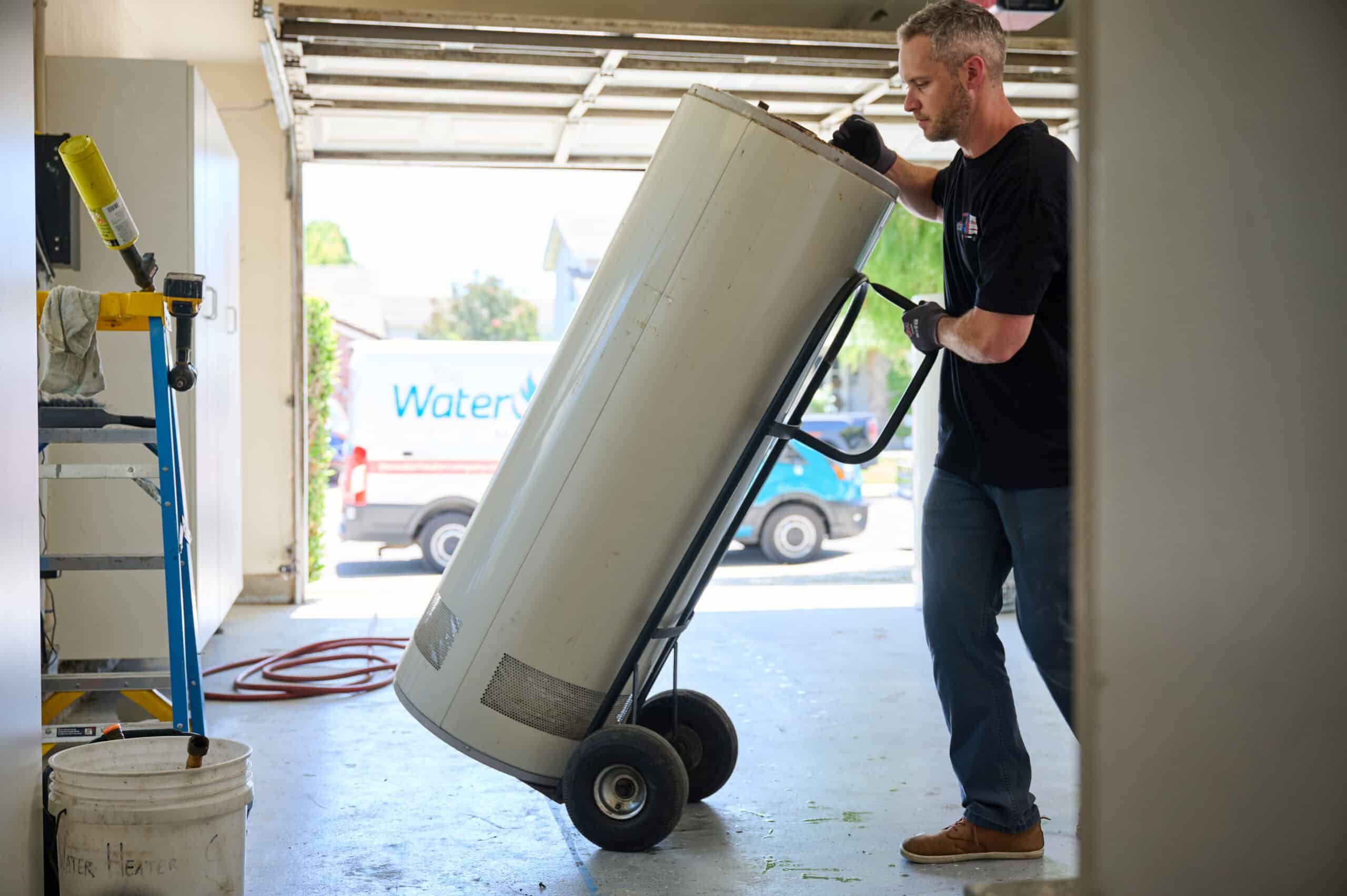
Water heaters don’t usually give a lot of warning before they fail. One day, you might just notice a cold shower or water leaking from the tank. Waiting until failure can cause:

  • Emergency repairs: Unexpected breakdowns often require urgent service, which can be more expensive.

  • Water damage: A leaking tank can damage floors, cabinets, and personal belongings.

  • Inconvenience: No hot water means disrupted routines and frustration for the whole household.

By replacing your water heater proactively, you can avoid these situations and plan for a smooth transition.

Signs Your Water Heater May Be Nearing the End

Even if your water heater hasn’t completely failed, there are signs it may be time to consider a replacement:

  • Age of the Tank: Most water heaters last 8–12 years. If yours is older, it’s worth evaluating.

  • Rusty or Discolored Water: Mineral buildup and corrosion can affect water quality.

  • Strange Noises: Rumbling, popping, or banging sounds can indicate sediment buildup at the bottom of the tank.

  • Frequent Repairs: Multiple service calls in a short period may mean the system is reaching the end of its life.

Recognizing these signs early helps you make an informed decision before a full breakdown occurs.

Benefits of Replacing Your Water Heater Before Failure

1. Reliable Hot Water Supply 

When you replace your water heater proactively, you avoid cold showers, interrupted laundry, and kitchen mishaps. You can plan the installation at a convenient time rather than being forced into an emergency replacement.

2. Improved Energy Efficiency 

Older water heaters often use more energy to heat the same amount of water. A newer unit can reduce your utility bills and work more efficiently, keeping your home comfortable without unnecessary costs.

3. Reduced Risk of Water Damage 

A failing tank can leak or rupture suddenly. Replacing your water heater before it fails minimizes the risk of flooding your home or damaging flooring, cabinets, and personal items.

4. Peace of Mind 

Knowing that your water heater is new, reliable, and properly installed takes a big weight off your shoulders. You can enjoy hot water without anxiety or daily worry about potential leaks or failures.

Pros and Cons of Early Replacement

It’s important to weigh the decision carefully:

Pros:

  • Predictable cost and scheduling

  • Avoid emergency repair stress

  • Potential energy savings with a newer unit

  • Reduced risk of water damage

Cons:

  • Upfront cost of a new system

  • Possible temporary inconvenience during installation

By understanding both sides, you can decide what’s best for your home, your family’s schedule, and your budget.

THE Water Heater Company’s Approach

At THE Water Heater Company, we don’t push one solution over another. We evaluate your home, your current water heater, and your family’s needs to provide professional guidance. Our goal is to help you make an informed choice—whether that’s flushing, repairing, or replacing your water heater.

We focus on delivering THE Best Service at THE Best Value—professional, fair, and trusted service tailored to your home.

Don’t wait for a cold shower or an emergency repair to make your decision. Call THE Water Heater Company today for a professional evaluation and guidance on whether your water heater is ready for replacement.

Call now: (877) 798-7487
Water Heater Installation in Southern California: What Homeowners Should Know

When the time comes to replace your water heater, knowing what to expect during the installation process can save you time, stress, and unnecessary costs. Most homeowners only replace their water heater once or twice in their lifetime, so it’s not something people are usually familiar with. This guide explains the essentials of water heater installation in Southern California — from choosing the right system to understanding how long installation takes.

Choosing the Right Water Heater

The installation process starts with selecting the correct system for your home. The two most common types of water heaters are tank water heaters and tankless water heaters.

Tank Water Heaters

  • Pros: Lower upfront cost, quick installation, reliable for standard household needs.

  • Cons: Larger size, limited hot water before refilling, higher long-term energy use.

Tankless Water Heaters

  • Pros: Endless hot water, compact design, improved energy efficiency over time.

  • Cons: Higher initial investment, longer installation process, likely requires upgrades to gas and/or electrical systems.

Homeowner tip: The best system depends on your needs, household size, hot water demand, and budget. A professional evaluation ensures the right fit for you and your home.

What to Expect During Installation

A professional installation generally includes these steps:

  1. Evaluation – A licensed technician checks your plumbing, gas, electrical, and exhaust systems to confirm compatibility.

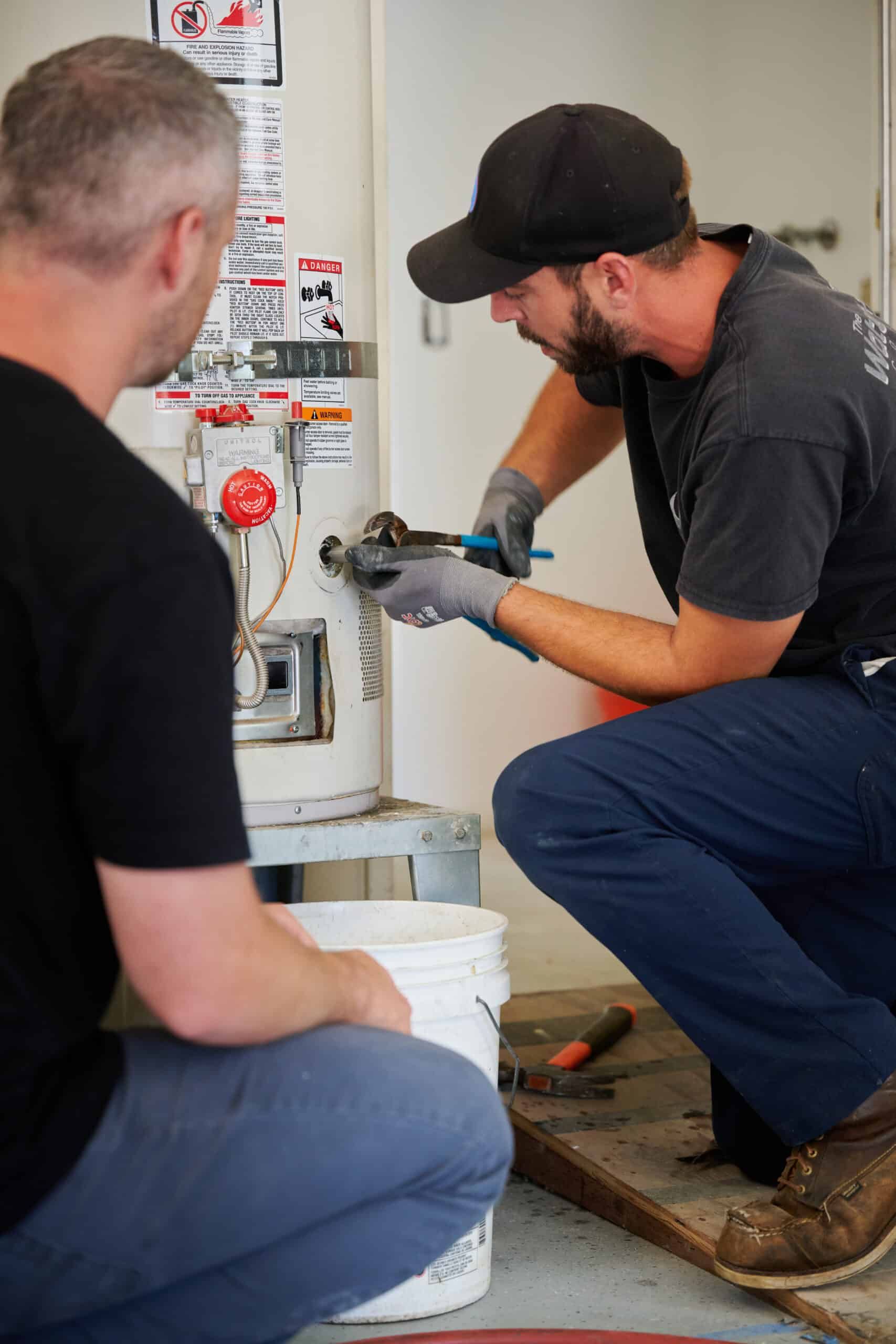
  2. Removal of the Old System – The old unit is drained, disconnected, and properly disposed of.

  3. Installation of the New Water Heater – The new unit is installed with basic connections (this is where most contractors stop).

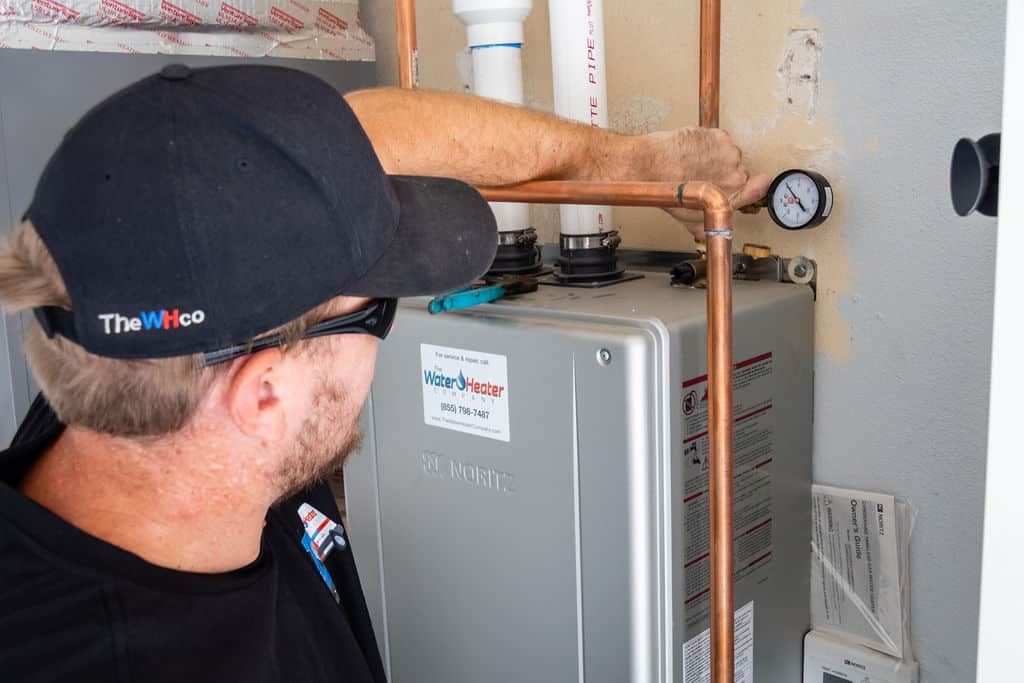
  4. Building & Safety Code Updates – An installation done in accordance with California Plumbing Code will likely require new features and adjustments, such as: a thermal expansion tank, bonding, drain pan, sediment trap, etc., and in the case of a tankless water heater, new venting and a dedicated gas line are often required.

  5. Final Walkthrough – The Technician tests the system, reviews operation with the homeowner, and provides maintenance recommendations to keep the unit running smoothly for years to come.

How Long Does Installation Take?

  • Tank Water Heaters: Typically 2–4 hours.

  • Tankless Water Heaters: May take 6–10 hours or longer if upgrades are required.

Homeowner tip: Our specialized Technicians do this every day and their experience helps keep the installation time to a minimum. Ask your installer how long you’ll be without hot water so you can plan ahead.

Why Professional Installation Matters

Water heater installation involves plumbing, gas, exhaust, and electrical connections. Hiring a licensed, experienced company ensures:

  • Safety for everyone in the home.
  • Correct system sizing.

  • Compliance with California building and safety codes.

  • Reliable hot water and long-term efficiency.

  • Warranty protection on parts, labor, and equipment.

THE Water Heater Company Difference

At THE Water Heater Company, we specialize exclusively in water heaters. Homeowners across Southern California choose us because we provide:

  • Expert Evaluations: Every installation starts with a thorough inspection of your home.

  • Straightforward Guidance: We explain your options clearly, with pros and cons, and lay out all available solutions so you can make the right choice.

  • Upfront Pricing: No hidden fees, just transparent estimates.

  • THE Best Technicians: Our team is extensively trained to provide the best service.

Get Help With Your Water Heater Installation

If you need a new water heater, we can help you choose the right system and install it safely and efficiently. Call THE Water Heater Company today at (877) 798-7487 to schedule a professional evaluation.

The Importance of Flushing Your Water Heater—And How Often You Should Do It 

If you’re a homeowner in Southern California, you probably rely on your water heater every single day—showering, washing dishes, doing laundry. But have you ever thought about what’s happening inside your water heater over time? You may be feeling a little unsure or even worried about whether your system is safe, efficient, or lasting as long as it should. That’s where flushing your water heater comes in. Let’s break it down in a way that’s simple, clear, and directly useful for you. 

What Does “Flushing a Water Heater” Mean? 

Flushing a water heater simply means draining it to remove sediment that naturally collects at the bottom of the tank over time

  • Think of it like cleaning out a coffee pot after a few weeks of use. 
  • Sediment comes from minerals in your water—commonly calcium and magnesium—especially if you have “hard water.” 
  • Over time, these minerals settle at the bottom, forming a layer that can cause problems if left unchecked. 

Flushing isn’t about making your water look cleaner—it’s about protecting your home’s water heater and keeping your energy bills reasonable. 

Why Flushing Matters 

Here’s why homeowners should pay attention to sediment buildup: 

  • Improved Efficiency: Sediment can make your water heater work harder to heat water. A tank full of minerals means your energy bills can quietly creep up. 
  • Extended Lifespan: Removing sediment reduces stress on the tank and heating elements, helping your water heater last longer. 
  • Consistent Hot Water: Sediment can create “cold spots” at the bottom of the tank, leaving you with inconsistent hot water during showers or laundry.
  • Preventing Rust & Leaks: Mineral buildup can corrode the tank over time, increasing the chance of leaks or even complete tank failure. 

In short, flushing is like giving your water heater a little tune-up—keeping it efficient, safe, and long-lasting. 

How Often Should You Flush Your Water Heater? 

There’s no one-size-fits-all answer, but here are some guidelines that make sense for most homeowners: 

  • Every 6–12 Months: For homes with hard water, annual flushing is a good rule of thumb. 
  • Check Your Water Heater Manual: Some manufacturers recommend more or less frequent flushing depending on your model. 
  • Listen to Your Home: Rumbling noises, popping sounds, or less hot water than usual can indicate sediment buildup, signaling it’s time to flush. 

Remember, the goal is preventive maintenance—doing it before problems appear rather than waiting for a full breakdown. 

DIY vs. Professional Flushing 

You might be wondering if flushing is something you can handle on your own, or if it’s better to call a professional. Here’s a balanced look: 

DIY Flushing 

  • Pros

○ Can save a little money if you’re comfortable with basic plumbing tasks. ○ Gives you control over the timing. 

  • Cons

○ Risk of burns if water isn’t cooled properly. 

○ Potential for leaks if you’re unfamiliar with the valves.

○ Sediment may not be fully removed without proper techniques. 

Professional Flushing 

  • Pros

○ Technicians have the tools and experience to remove sediment thoroughly and will use full-port valves that have a much larger opening to better extract all of the sediment.

○ Safe and hassle-free—no risk of accidental damage. 

○ Can identify other issues before they become major problems. 

  • Cons

○ Comes at a higher cost than doing it yourself, but it’s often worth it for peace of mind. 

At THE Water Heater Company, we evaluate each home individually and recommend the best approach based on your water quality, tank type, and usage patterns. 

Trust THE Water Heater Company 

Flushing your water heater is one of the simplest, most effective ways to protect your home, maintain energy efficiency, and ensure you always have consistent hot water. It doesn’t have to be confusing or overwhelming, and a little attention each year can prevent big headaches down the line. 

If you’re unsure whether your water heater needs a flush—or want to schedule professional maintenance—give us a call today. Our team at THE Water Heater Company is here to provide guidance, inspections, and safe, reliable service that’s tailored to your home and your needs. 

Call now: (877) 798-7487

How to Prevent Sediment Buildup in Your Water Heater for Better Performance

If you’ve ever noticed your hot water running out faster than usual, strange noises coming from your tank, or an increase in your energy bills, you might be dealing with sediment buildup in your water heater. It’s a common issue for homeowners in Southern California, and it can quietly reduce your system’s efficiency over time.

The good news? With a little understanding and simple maintenance, you can keep your water heater running smoothly and avoid unnecessary repairs. Let’s break it down in a way that’s easy to understand.

What Is Sediment Buildup and Why Does It Matter?

Sediment is a collection of minerals, like calcium and magnesium, that naturally occur in water—especially in areas with hard water. Over time, these minerals settle at the bottom of your water heater tank, creating a layer of buildup.

This buildup can cause several issues:

  • Reduced hot water supply: Sediment takes up space in your tank, meaning there’s less room for hot water.

  • Increased energy bills: Your water heater has to work harder to heat water through the sediment layer.

  • Noisy operation: Popping or rumbling sounds often indicate that water is trapped under the sediment.

  • Shortened lifespan: Over time, sediment can corrode your tank and heating elements.

Understanding this helps homeowners see why maintenance is worth the effort.

Simple Ways to Prevent Sediment Buildup

While some sediment is inevitable, regular maintenance can significantly reduce buildup and keep your water heater performing efficiently. Here are some practical steps:

1. Flush Your Water Heater Regularly

Flushing your tank involves draining it to remove sediment. For most homes, this should be done once a year.

  • Pros: Keeps your tank clean, improves efficiency, extends lifespan.

  • Cons: If done improperly, it can cause leaks or other issues. Professional assistance is recommended.

*Pro Tip: Draining your water heater through the built-in drain valve will remove some of the sediment but replacing that valve with a full-port drain valve and performing a power flush will provide a much better result. 

2. Install a Water Filtration/Conditioning System or a Water Softener

Hard water accelerates mineral buildup. A water filtration and conditioning system reverses the polarity of these minerals to keep them suspended in the water to reduce sediment build-up. Additionally, water softeners reduce calcium and magnesium, helping prevent sediment.

  • Filtration/Conditioning: Protects your water heater and plumbing system and provides healthy, drinkable, filtered water throughout your home.

  • Softeners: Reduces sediment/scale buildup in your water heater and plumbing system BUT using a water softener can reduce the protective action of the sacrificial anode in your water heater, making the tank more prone to rust and shortening its lifespan. Source: https://cdn.globalimageserver.com/FetchDocument.aspx?ID=9be6139a-8aa9-45b1-882b-ddfb56bfed3e

*Pro Tip: If you want to stick to a conventional Tank water heater, you’ll want a water filtrationing/conditioning system. If you absolutely want or need a water softener, switching to a Tankless water heater will be your best bet.

3. Lower Your Water Temperature

Keeping your water heater set around 120°F reduces the rate at which minerals settle and can also save on energy bills.

  • Pros: Slows sediment buildup and saves energy.

  • Cons: Water may not feel as hot for some uses like dishwashing without a dishwasher’s booster.

4. Schedule Professional Inspections

Having an expert Water Heater Technician check your water heater ensures any early signs of sediment buildup or other issues are caught before they become serious.

  • Pros: Early detection of problems, professional guidance, and proper maintenance.

  • Cons: Requires scheduling and a small service fee.

Signs Your Water Heater Might Already Have Sediment Buildup

Even without a professional inspection, homeowners can look for some warning signs:

  • Reduced hot water supply

  • Rumbling, popping, or banging noises

  • Cloudy or rusty water

  • Increase in energy bills without other explanation

If you notice any of these signs, it’s a good idea to call a professional for evaluation.

The Bottom Line

Sediment buildup in water heaters is a common, often overlooked issue that can impact performance, efficiency, and lifespan. Regular flushing, monitoring water quality, adjusting temperature, and professional inspections are all simple ways to protect your investment.

At THE Water Heater Company, we help homeowners evaluate their specific situation and guide them toward the right maintenance plan for their home. Our goal is to educate, not push products, so you can make informed decisions based on your needs and budget.

Don’t wait until sediment causes a problem. Call THE Water Heater Company at 877-798-7487 today for a professional evaluation and keep your hot water flowing efficiently all year long.

What To Do If Your Water Heater Is Leaking or You Have No Hot Water

When your water heater is leaking or you wake up to no hot water, it’s more than an inconvenience—it’s a disruption to your day that could result in serious damage and costly repairs. At THE Water Heater Company, we understand how frustrating and stressful water heater emergencies can be, which is why we’re here to help you take quick, effective action.

Common Water Heater Emergencies

There are two major types of water heater problems most homeowners face:

  • A leaking water heater

  • No hot water

Each issue requires a different response. Knowing what to do in both situations can help prevent water damage, reduce repair costs, and get your hot water restored faster.

What To Do If Your Water Heater Is Leaking

If you notice water pooling around your water heater, follow these steps immediately:

1. Turn Off the Water Supply

Locate the cold water shut-off valve above your unit and turn it clockwise to stop the water flow.

2. Shut Off the Power

  • Gas water heater: Turn the thermostat to “pilot.”

  • Electric water heater: Flip the breaker in your electrical panel to “off.”

3. Minimize Water Damage

Place towels or rags around the base of the unit to help contain the water while you wait for a plumber. If you are feeling up to it, hook up a hose and drain the water heater but be careful with those plastic drain valves most manufacturers have on their units.

4. Call a THE Water Heater Company

Quick response times are critical when dealing with a leaking water heater and THE Water Heater Company is structured to provide same-day service in most situations. If you’re not in our area, call a reputable plumber ASAP. The source of the leak could be due to:

  • A corroded tank (which requires a full replacement)

  • Corroded pipes or valve connections

  • A malfunctioning temperature and pressure relief (T&P) valve

  • A leaking drain valve
  • High water pressure

Prompt repairs or replacement will help prevent further damage and restore system functionality.

What To Do If You Have No Hot Water

If your water heater isn’t producing hot water, you should call a professional, like THE Water Heater Company, but there are some steps you can take first to resolve it yourself:

For Gas Water Heaters:

  • Check the pilot light: If it’s out, follow the manufacturer’s instructions to relight it safely.

  • Check the gas valve: Is the indicator light flashing an error code? If so, call a professional. If not, try turning it to the OFF position for 2-3 minutes and then try relighting the pilot again. This resets the valve and could, at the very least, temporarily resolve the issue.
  • Check incoming gas: Many homes in Southern California have automatic gas shutoff valves on their gas meters, which may have accidentally tripped, so resetting it and relighting the pilot could be necessary.

For Electric Water Heaters:

  • Check the circuit breaker: If it’s tripped, reset it by flipping it off and back on. If this is the case, reset the breaker and check the water heater. However, this shouldn’t happen so if the breaker tripped, there is likely a deeper issue to investigate.

  • Look for blown fuses: Older panels may use fuses that need to be replaced.

Other Potential Causes:

  • Temperature cutoff switch: May have tripped due to overheating and can be reset.

  • Faulty heating elements: Common in electric water heaters and may need replacing.

  • Malfunctioning thermostats: May need to be replaced.

  • Sediment buildup: Affects performance and efficiency—professional flushing may be required.

Fast Emergency Water Heater Help

When your water heater is leaking or not producing hot water, don’t wait. THE Water Heater Company offers fast, reliable emergency water heater services across the area. Our trained technicians are available around the clock to assess your system and deliver expert solutions—whether that means a simple repair or full replacement.

Call Now for Expert Help

Don’t let a leaking water heater or cold showers disrupt your day. Contact THE Water Heater Company at (877) 798-7487 for emergency service. We’ll respond quickly, assess the issue, and restore your hot water with professional care you can trust.

Why Paying for a Professional Water Heater Estimate Is Worth It

If you’re thinking about getting a water heater estimate, you might be wondering if it’s really worth paying for one—especially when some companies offer free estimates. It’s natural to hesitate when it comes to extra costs.

But is “free” always the best choice? Knowing what goes into a professional water heater estimate can help you make smarter decisions for your home and budget. At THE Water Heater Company, we understand these concerns and want to explain why investing in a professional estimate can save you money and headaches in the long run.

What Makes a Professional Water Heater Estimate Different?

When you pay for an estimate from a qualified technician, you’re not just getting a price. You’re getting an expert evaluation of your entire water heater system.

A professional technician will:

  • Check the age of your water heater

  • Ensure the exhaust system is working properly

  • Evaluate your water pressure

  • Look for root cause issues

  • Inspect the entire water heating system to provide recommendations for overall system improvements

This thorough inspection uncovers problems that might be missed by a quick, free check. Catching these early helps you avoid unexpected repairs and costly damage later. Plus, we’ve all had the contractor who looked at it for 2 seconds, wrote a number on a piece of paper, and left your home. Who really wants to work with that guy?!

Why Paid Estimates Come with Better Protection

One big advantage of choosing a professional estimate is the added peace of mind.

Companies that charge for estimates often include strong guarantees such as:

  • Written warranties on parts and labor (we have THE best warranties in the industry!)

  • Detailed inspection reports you can refer to later

  • Ongoing support after installation or repairs

Free estimates usually don’t come with these protections. That means if problems show up after work is done, you might have fewer options for help. Paying for an estimate helps hold everyone accountable from start to finish.

Transparent Pricing That Respects Your Budget

Have you ever accepted a “free” estimate only to face surprise charges down the line? That can be frustrating and costly.

With a professional estimate, you get:

  • A clear breakdown of all costs involved

  • Honest advice on what repairs or upgrades are necessary — and what you can skip

  • An accurate assessment of how much longer your current system can last

This level of transparency means you won’t feel pressured into services you don’t need. Free estimates often lead to upselling to cover the company’s costs, which can add up fast.

Expert Advice That Can Save You Money Over Time

Professional estimates go beyond just pricing. They include helpful insights like:

  • How a newer, more efficient water heater could reduce your energy bills

  • Whether your current unit is the right size for your household

  • How your water heater fits with your home’s existing systems
  • What alternative options are out there that may serve you better

These details can help you avoid mistakes that end up costing more later—and might even help you recoup the estimated cost through long-term savings.

THE Water Heater Company: Trusted Expertise You Can Count On

At THE Water Heater Company, our goal is to provide honest, expert water heater estimates that help you make the best choice for your home.

Our technicians take the time to thoroughly inspect your system and understand your needs — so you get clear, trustworthy advice without any pressure.

If you’re ready for a professional water heater estimate you can trust, give us a call at (877) 798-7487. We’re here to help Southern California homeowners like you make confident decisions.

How Much Does a New Water Heater Cost in California?

If your water heater is leaking, running out of hot water too fast, or just getting old, you’re probably wondering: how much does a new one cost—really?

You’re not alone. Many California homeowners are surprised by how much prices can vary depending on the type of system, where you live, and how your home is set up. This guide breaks down what you can expect to pay, what factors affect pricing, and how to plan for a smart, energy-efficient upgrade.

What’s the Average Cost of a New Water Heater?

The two most common types of water heaters are traditional tank systems and tankless (on-demand) systems. Here’s what you can expect for each, including installation.

Traditional Tank Water Heaters

Typical cost: $2,000–$3,500
These systems store hot water in a tank and are available in various sizes:

  • 30–40 gallons: Good for 1–2 people

  • 40–50 gallons: Ideal for 2–4 people

  • 50–60 gallons: Works for 4–5 people

  • 60–80 gallons: Best for larger households

Fuel type impacts cost too:

  • Gas models are more expensive to install but usually cost less to run.

  • Electric models are cheaper upfront but may increase monthly energy bills in high-electricity areas.

Tankless Water Heaters

Typical cost: $3,500–$6,000+
These systems heat water only when you need it, which saves energy. However, they require more advanced installation, ongoing maintenance, and are a bit more costly.

  • Longer lifespan: 15-20+ years

  • Energy efficient: No standby heat loss

  • Great for smaller spaces or homes with high-efficiency goals

Homes with more bathrooms or high hot water usage may need higher-flow models, which cost more. The installation is also more involved, requiring a specialist to get it done right.

What Affects Water Heater Pricing in California?

Several factors can impact the total cost of your water heater—especially in California, where building codes and energy standards are stricter than in many other states.

1. Tank vs. Tankless

  • Tank units are usually less expensive to install.

  • Tankless units cost more upfront but save on energy and space in the long run.

2. Installation Complexity

  • Switching from tank to tankless? You will likely need a new gas line, electrical upgrades, and a completely different form of exhaust venting.

  • Older homes or tight spaces can make installation more labor-intensive and costly.

3. Location of Your Water Heater

Units tucked away in garages, attics, or crawl spaces are harder to access—and that can mean higher labor costs.

4. California Building Code Requirements

California requires special features like:

  • Earthquake safety straps

  • Expansion tanks

  • High-efficiency compliance

  • City or county permits

These code requirements can add to your overall cost, but they’re essential for safety and compliance.

5. Energy Efficiency Goals

Upgrading to an ENERGY STAR® model or a high-efficiency unit might cost more initially—but it can lower your energy bills long-term. Many of these systems also qualify for rebates, which help offset the upfront expense.

Are There Rebates for Water Heaters in California?

Yes—many California homeowners can take advantage of rebates and incentives for upgrading to energy-efficient water heaters.

Examples include:

  • Utility company programs: SoCalGas® and others utility providers offer rebates for high-efficiency upgrades.

  • ENERGY STAR® incentives: Certain models qualify for state or federal rebates.

  • Local initiatives: Check with your city or county for specific rebates or low-income assistance programs.

Tip: A knowledgeable installer like THE Water Heater Company can help you identify and apply for available rebates to reduce your overall costs.

How Can You Get an Accurate Estimate?

Every home is different, so the best way to know what your new water heater will cost is to get a professional evaluation.

Here’s what that involves:

  1. In-Home Assessment
    A trained technician will assess your hot water needs, inspect your home’s plumbing and electrical systems, and recommend the right solution.

  2. Upfront, Transparent Pricing
    At THE Water Heater Company, we provide detailed quotes before any work begins—so you’ll know exactly what to expect.

  3. Consultations That Fit Your Schedule
    We offer free or low-cost consultations to help you plan your water heater replacement without the pressure.

Why California Homeowners Trust THE Water Heater Company

We know replacing a water heater isn’t something you do often—so we make the process clear, honest, and stress-free.

Here’s what makes us different:

  • Specialized Expertise: Water heaters are what we do.

  • Trusted Service: 5-star rated across Los Angeles, Ventura, Orange and Santa Barbara counties.

  • Full Code Compliance: We meet California’s strictest safety and efficiency standards.

  • No Hidden Costs: Transparent, competitive pricing with no surprises.

  • Flexible Financing: Payment plans available to help you stay within budget.

  • Ongoing Support: We’re here long after installation with maintenance and repair services.

Ready to Find the Right Water Heater?

You don’t need to guess—or Google your way through conflicting advice. At THE Water Heater Company, we help you choose the right water heater for your home, budget, and energy goals.

Call us today at (877) 798-7487 to schedule your consultation and get a personalized estimate.

Let us help you make a smart, stress-free upgrade that keeps your home comfortable and your water warm—year-round.

How to Know When to Repair or Replace Your Water Heater

If your water heater isn’t working like it used to, it can throw off your daily routine and even cause damage if left unchecked. You’re probably wondering: should I fix it or get a new one? It’s a common question—and the answer isn’t always simple.

This guide will help you understand the signs that your water heater needs attention, explain when repairs make sense, and when replacement might be the better choice. Our goal is to help you feel confident in making the right decision for your home, your budget, and your comfort.

Signs Your Water Heater Needs a Closer Look

It’s not always obvious when a water heater is failing. Here are some common warning signs that mean it’s time to schedule an inspection:

  • Not enough hot water or no hot water at all

  • Inconsistent water temperature (too hot or too cold)

  • Visible leaks or moisture around the unit

  • Water looks rusty or discolored

  • Strange noises like popping or rumbling

If you notice any of these, it’s important to get a professional to assess the situation before the problem gets worse or causes damage.

When Should You Consider Replacing Your Water Heater?

Water heaters don’t last forever. Most traditional tank models have an average lifespan of about 8-12 years. Tankless water heaters can often last 15-20 years, but this depends on how hard your water is, how much you use the system, and how well you maintain your water heater.

To find out your water heater’s age, check the serial number on the manufacturer’s label or sticker. Sometimes it is encoded in the serial number so you may have to contact the manufacturer to find out. Even if you’ve kept up with regular maintenance, an older unit may not be as reliable or efficient as newer models.

As your water heater approaches the 10-year mark, repairs might become less effective or more frequent, so replacement becomes a more practical option.

Balancing Cost: Repair vs. Replacement

One big factor in deciding whether to repair or replace is the cost comparison. Deciding if putting money into an aging water heater make sense can be tough. Our Technicians are trained to look at all the angles to help you figure out what makes the most sense for your specific situation.

Newer water heaters are usually much more energy-efficient. That means you could save money on your utility bills each year, which can help offset the initial cost of a new unit.

Check if your water heater is still under warranty. Manufacturers provide 6 to 12 year warranties. If yours is still covered, repairs will cost less.

Taking advantage of available rebates before they’re gone is another key factor to consider.

Comfort and Convenience Matter Too

Sometimes it’s not just about repairs or costs, your comfort matters. If your water heater is too small for your household’s needs, you might run out of hot water during normal use. It might be time for a larger unit.

Major problems like broken control valves or significant corrosion usually mean replacement is the safest choice. In these cases, repairs may only be a temporary fix.

THE Water Heater Company: Here to Help You Decide

This decision can feel confusing. At THE Water Heater Company, we take the time to inspect your water heater thoroughly, looking at everything from heating elements to water pressure and overall condition.

Our goal is to help you choose the best option for your home—not to push a sale. Whether it’s repair or replacement, we want you to feel confident in your decision.

If you’re unsure about your water heater’s condition or want a professional evaluation, call us at (877) 798-7487. We serve homeowners throughout Southern California with honest advice and expert service.

How Hard Water Affects Your Water Heater (And How to Protect It)

If you’ve noticed your water heater isn’t performing like it used to—or if you’ve heard people mention “hard water” but aren’t sure what that means—you’re not alone. Many Southern California homeowners are surprised to learn just how much their water quality can impact their plumbing systems, especially their water heaters.

What is hard water? Why does it matter? Is that something I should be concerned about? And most importantly, what can you do to protect your water heater and avoid costly repairs?

What Is Hard Water?

Hard water is water that contains a high amount of minerals, mainly calcium and magnesium. While these minerals aren’t harmful to your health, they can be hard on your home’s plumbing and appliances.

Here’s how to tell if you might have hard water:

  • White, chalky buildup around faucets and showerheads

  • Soap that doesn’t lather well or leaves a film on your skin

  • Water spots on clean dishes

  • Clothes feel stiff after washing

  • Reduced water pressure in your home

Why Hard Water Is a Problem for Your Water Heater

Your water heater works hard every day, especially if you have a large household or use hot water often. When hard water flows through your system, those minerals begin to build up inside the tank or along the heating elements.

Over time, this can lead to:

  • Reduced efficiency – Mineral buildup forces your water heater to work harder, using more energy to heat your water.

  • Shorter lifespan – Excess buildup can cause overheating or damage inside the tank, reducing the life of your unit.

  • Strange noises – Popping or rumbling sounds often mean there’s sediment or scale buildup inside your tank.

If you’re experiencing any of these issues, hard water might be to blame.

How to Protect Your Water Heater from Hard Water Damage

The good news? There are simple, effective ways to protect your water heater and extend its lifespan.

1. Flush Your Water Heater Regularly

Sediment from hard water can settle at the bottom of your tank. Flushing the tank once or twice a year helps remove this buildup and keeps your system running smoothly.

2. Install a Water Softener or Conditioner

Water softeners (not recommended due to environmental impacts) and conditioners (recommended) are designed to reduce or neutralize hard minerals before they reach your water heater. This not only protects the unit but can also improve the overall water quality throughout your home.

3. Schedule a Professional Evaluation

If you’re not sure what kind of water quality you have—or whether your water heater has been affected—our team can help. At THE Water Heater Company, we assess each home’s unique needs and provide honest, tailored recommendations.

The Bottom Line

Hard water is common in Southern California, and while it may not seem like a big deal at first, it can take a serious toll on your water heater over time. By understanding the signs and taking preventive steps, you can avoid costly repairs, improve energy efficiency, and extend the life of your system.

Want to know if hard water is affecting your home? Call THE Water Heater Company today for a professional evaluation at (877) 798-7487. We’re here to help you make informed choices and protect your home’s comfort for years to come.

Water Heater Rebates & Tax Credits Available in California

If you’re a California homeowner thinking about upgrading your water heater, you’re probably wondering: Is now the right time? With energy prices rising and environmental concerns top of mind, many families are exploring more efficient options—and asking whether they qualify for rebates or tax credits.

Good news: In 2025, there are several programs available to help you save money when switching to a high-efficiency or environmentally friendly water heater. This guide breaks it all down simply.

Why California Is Offering Rebates & Credits for Water Heaters

Upgrading your water heater doesn’t just benefit your home; it supports California’s goal of reducing carbon emissions and increasing energy efficiency. That’s why both state and federal programs are helping offset the higher cost of these more efficient systems.

These programs are designed to:

  • Encourage homeowners to switch to energy-efficient appliances

  • Reduce overall energy demand on the grid

  • Help lower utility bills over time

What Types of Water Heaters Qualify for Rebates or Tax Credits?

Rebates and credits are generally available for:

  • Heat Pump Water Heaters
    These transfer heat from the surrounding air to heat water, rather than directly generating heat, making them highly efficient.

  • Tankless (On-Demand) Water Heaters
    These save energy by heating water only when needed.

Not all models qualify, so it’s important to check current program requirements or talk with a professional before making a decision.

2025 California Water Heater Rebates

Several regional utility providers are offering rebates in 2025 for high-efficiency water heaters, including in areas like Los Angeles County, Ventura County, Orange County, and beyond.

Example rebates include:

  • $1,000 – $3,100 for qualifying heat pump water heaters through Southern California Edison, though there are some caveats to these rebates.

  • Up to $1,500 in rebates from SoCalGas (varies by unit efficiency)

2025 Federal Tax Credits for Water Heaters

Under the federal Energy Efficient Home Improvement Credit, homeowners can claim:

  • 30% of the cost (up to $2,000) for qualifying heat pump water heaters
  • 30% of the cost (up to $600) for qualifying tankless water heaters

  • The credit applies to the cost of the unit and installation

  • You’ll need to file IRS Form 5695 when submitting your taxes

These federal incentives can be combined with local rebates for even greater savings.

Budgeting and Planning for Your Upgrade

Before you buy a new water heater, consider:

  • What size and type of unit your household needs

  • Whether your electrical panel and available space can support a heat pump water heater or if you’ll need an electrician to upgrade your panel and run the necessary electrical to the water heater location


  • Whether your existing gas system can support a tankless water heater or if a dedicated gas line will need to be run from the gas meter

  • Upfront costs vs. long-term savings on energy bills

  • How much you can save with rebates or credits

This is where our team comes in—we evaluate your specific needs and help you plan the smartest investment for your home.

Why Work with THE Water Heater Company?

We’re not here to push a one-size-fits-all solution. We help you:

  • Understand your options

  • Take advantage of available rebates and credits

  • Choose the right system for your home, your budget, and your future

We proudly serve homeowners across Southern California and guide you through every step—from selection of the right water heater, to installation, to filing paperwork for rebates.

Let’s See What You Qualify For

Curious what rebates or tax credits you could get for your water heater upgrade? Give us a call today at (877) 798-7487. We’ll provide a professional evaluation and walk you through your options, no pressure, just honest guidance.

The Real Cost of Cheap Water Heater Installations

The Real Cost of Cheap Water Heater Installations

Thinking about saving a few bucks on your water heater installation?
We get it—those bargain offers can sound like a steal.

But when it comes to water heaters, cheap upfront often means costly later. Your hot water system plays a major role in your home’s comfort and safety. Cutting corners can lead to big problems—and big bills.

Let’s look at what homeowners really risk when they go for the lowest bid.

Why “Cheap” Can Be a Bad Deal

That super low price might look good now… until something goes wrong.

Improper installations can lead to:

  • Gas leaks

  • Flooding from loose water connections

  • Carbon monoxide buildup

  • Electrical hazards

  • A system that fails in 2–3 years instead of lasting 10–15

And if any of these issues cause damage, your homeowner’s insurance may deny your claim, especially if the installer wasn’t licensed or the work didn’t meet code. That could leave you footing the bill.

Why Hiring a Handyman Could Cost You More

Hiring a handyman or “friend-of-a-friend” to save money sounds convenient, but water heaters aren’t casual home projects.

These systems involve gas, water pressure, exhaust (carbon monoxide), and in some cases, electricity. That’s a serious mix when handled incorrectly.

Here’s where handymen often fall short:

  • No permits or inspections

  • Poor or undersized venting

  • Loose gas line connections

  • Incorrect sizing for your home’s hot water needs

  • Missed code requirements

Think of it like this: You wouldn’t put off-brand tires on a high-performance car. The same applies to your water heater—a powerful, high-demand system that needs to be installed right.

Code Violations and Hidden Costs

What most homeowners don’t realize is that water heater installations must meet strict building and safety codes. Skipping these steps to save money can result in:

  • Failed home inspections if you sell or refinance

  • Fines or correction fees from local building departments

  • Voided manufacturer warranties if installed incorrectly

  • Denied insurance claims for water or fire damage

  • Higher energy bills due to poor efficiency or incorrect sizing

That “cheap” install? It could become a very expensive problem later.

Better Parts. Better Performance. Longer Life.

At THE Water Heater Company, we don’t just install the heater—we focus on the entire system, including the small parts that most people overlook.

We use premium-quality valves, fittings, and venting components, chosen for durability and performance. Most handymen and general plumbers use whatever’s cheapest or on hand.

It’s the difference between using:

  • A plastic wrench from a toy set,
    vs.

  • A professional-grade tool built to last.

Those small parts? They make a huge difference in performance, longevity, and safety.

Why Homeowners Choose Us

When you work with THE Water Heater Company, you’re getting more than a new water heater. You’re getting:

Peace of mind – Installed right the first time, up to code, and fully inspected
Time savings – No stress, no callbacks—we handle everything start to finish
High-quality components – Built for performance and longevity
Expert advice – We help you choose what’s right for your home
THE Best Service at THE Best Value – Not the cheapest, not the most expensive—just the best experience at a fair rate

Let’s Make Sure It’s Done Right

Your home deserves more than the cheapest option—it deserves a safe, efficient, long-lasting system that protects your family and your wallet.

Call THE Water Heater Company at (877) 798-7487 today to schedule your professional water heater installation. You’ll get THE Best Service at THE Best Value—and that’s a promise.

Water Heater

Should I Repair or Replace My Water Heater?

When your water heater starts showing signs of trouble, deciding whether to repair or replace it can feel like a daunting decision. Knowing the indicators for each option can help you choose the best route for your home, budget, and long-term plans. Here’s a breakdown of when a repair might be sufficient and when replacement is the smarter, more cost-effective choice.

1. Age of the Water Heater

One of the biggest factors in this decision is the age of your water heater. Most traditional tank water heaters last 10-15 years, while tankless models can extend up to 20 years. If your water heater is nearing or exceeding its expected lifespan, replacement is generally the better choice, as repair costs can quickly add up without long-term reliability. On the other hand, if your water heater is only a few years old, a repair may be all you need to keep it running effectively.

2. Energy Efficiency

Newer water heaters, especially high-efficiency or tankless models, are designed with energy-saving features that can significantly reduce utility bills. If your current water heater is older and lacks modern energy-efficient technology, replacing it could lead to considerable savings over time. Opting for a more efficient model may also qualify you for rebates or tax incentives, adding more financial motivation to make the switch.

3. Cost of Repairs vs. Replacement

Frequent repairs are a sign that your water heater might be nearing the end of its useful life. Minor repairs, like replacing a thermostat or heating element, are generally affordable and may extend the life of your unit. However, when repair costs exceed 50% of the cost of a new water heater, replacement is usually the smarter financial decision. Repeated breakdowns can signal underlying issues that may become costly and inconvenient, making replacement a worthwhile investment.

4. Your Long-Term Plans

How long you plan on living in your current home can impact the repair-or-replace decision. If you intend to move soon, a simple repair may suffice and keep your water heater functional without the expense of a new unit. However, if you plan on staying for several more years, replacing your water heater with a newer, more efficient model may be a better choice, giving you dependable hot water for years to come and possibly increasing your home’s resale value.

5. Potential Energy Savings with a New Model

Modern water heaters are designed with enhanced efficiency and sustainability in mind. Replacing an older water heater with a high-efficiency or tankless model can reduce energy consumption by up to 30%, translating into noticeable savings on utility bills. Tankless models, for example, heat water only as needed, eliminating standby heat loss and maximizing energy efficiency.

When to Choose Repair

  • The unit is under 10 years old.
  • Repair costs are minimal and far below 50% of replacement.
  • The water heater isn’t leaking and has no major issues.

When to Choose Replacement

  • The unit is over 10-15 years old or has frequent issues.
  • Repairs are becoming costly or don’t solve recurring problems.
  • You want to take advantage of a more efficient model with energy savings and rebates.

Call THE Water Heater Company for Expert Advice!

Still unsure? THE Water Heater Company is here to help! Our knowledgeable team can assess your water heater’s condition and guide you toward the best solution for your home. Whether you need a repair or are ready to explore new options, call us today to ensure you have a reliable, efficient water heater that meets your needs.

Angi Water Heater

Understanding My Water Heater Options: A Homeowner’s Guide

Choosing the right water heater for your home is an important decision, and with so many options available, it can feel overwhelming. At THE Water Heater Company, we’re here to help you understand your options, from traditional tank water heaters to advanced hybrid and tankless models. Each option has unique features in terms of fuel type, capacity, efficiency, and installation requirements. Here’s a guide to understanding which water heater is right for you and your household needs.

1. Tank Water Heaters

Tank water heaters are the traditional choice, storing a large volume of hot water in a tank that ranges from 20 to 30 gallons. Heated by electricity, natural gas, or propane, these units keep water hot and ready to use, though they can run out if demand is high. They’re generally affordable to install but can be less energy-efficient due to standby heat loss as they continuously heat stored water. For households that need a steady hot water supply and don’t mind occasional reheating, tank water heaters are a reliable and budget-friendly option.

Fuel Types: Natural gas, propane, electric

Capacity: 30-80 gallons

Efficiency: Moderate; affected by standby heat loss

Installation Requirements: Ample space for the tank and plumbing connections

2. Tankless Water Heaters

Tankless water heaters, also called on-demand units, heat water only when needed, eliminating standby heat loss. This can make them highly efficient and ideal for energy-conscious households. Tankless models tend to have a higher upfront cost but offer long-term savings through increased efficiency and lower energy bills. However, multiple units may be needed for larger homes or high-demand areas.

Fuel Types: Natural gas, propane, electric

Capacity: No tank; provides continuous hot water based on flow rate

Efficiency: High, as they eliminate standby heat loss

Installation Requirements: Compact design but may need upgraded gas lines or electrical capacity

3. Hybrid Heat Pump Water Heaters

Hybrid heat pump water heaters use electricity to move heat from the air or ground into the water tank. Known for their high efficiency, they can save homeowners significantly on energy costs. However, they require more space and may perform best in warmer climates due to their reliance on surrounding air. Hybrid models are an eco-friendly choice for those willing to invest in long-term energy savings.

Fuel Types: Electric

Capacity: 50-80 gallons

Efficiency: Very high, up to three times more efficient than standard electric water heaters

Installation Requirements: Large, well-ventilated area, as they draw heat from the surrounding air

4. Electric Water Heaters

Electric water heaters are straightforward and easy to install, relying on electric heating elements to heat the water. They’re often more affordable initially but may be less efficient and cost more to operate than gas options, especially in colder climates. For households without access to natural gas, electric water heaters are a solid choice, with models available in both tank and tankless formats.

Fuel Types: Electric

Capacity: 20-80 gallons for tank models; no limit for tankless models

Efficiency: Lower than gas-powered options but safer and more accessible in some areas

Installation Requirements: Requires electrical capacity, but no ventilation needed

5. Choosing the Right Brand

We carry and service top water heater brands known for quality and performance, including:

Each brand offers various models designed to meet different needs, from compact tankless systems to high-capacity tank water heaters.

Making the Right Choice

Choosing a water heater depends on your home’s hot water demands, budget, and energy preferences. If your priority is low upfront cost, a tank water heater could be right. For energy savings and efficiency, consider a tankless or hybrid model. It’s essential to evaluate the fuel type your home can support, as this impacts both installation and long-term energy costs.

Learn more about the common myths about water heaters to avoid making mistakes before purchasing your new water heater!

Call THE Water Heater Company for Expert Guidance!

At THE Water Heater Company, we understand that selecting the right water heater can be complex. Our team is here to help assess your needs, answer questions, and guide you toward the best solution for your home. Call us today to schedule a consultation and ensure you’re getting the perfect water heater for your household!

The Difference Between Tank vs. Tankless Water Heaters

If you’re in the market for a new water heater, it’s important to understand the difference between the two main options you can choose from. Those options are tank water heaters and tankless water heaters. They both function in different ways and come with their own unique pros and cons.

In this guide, we’ll help you take a closer look at what each of these options offers and what the advantages and disadvantages are to using them:

Tankless Water Heaters

As the name suggests, tankless water heaters don’t store hot water in a tank for it to be used later. Instead, they heat water on-demand. The water is not stored in a tank, so it doesn’t need to be continually reheated to combat heat loss the way tank water heaters need to. Tankless heaters are becoming more popular because of their efficiency, but they aren’t as common or tried-and-true as tank heaters just yet.

Pros

Durability: When your new tankless water heater is installed, it will last for up to 20 years and often longer than that. They’re highly durable and their parts can be replaced easily. On the other hand, tank water heaters typically last only 10–15 years, and replacement parts can be more difficult to find, depending on your model.

Size: Because there is no storage unit in a tankless heater, they also take up less space in the home. If your storage space is limited, a tankless water heater is a great option

Energy and Cost Efficiency: As mentioned, tankless heaters provide hot water on-demand, meaning they save money in standby heat loss and lower your energy bills

Safety: Tankless water heaters can be much safer than regular tank water heaters because they don’t include a tank that can be overpressurized or overheated, thus eliminating these risks altogether.

Cons

Higher Upfront Costs: When you first buy your tankless water heater and have it installed, it will cost you more money than if you were to choose a tank water heater. The higher costs are a result of the more advanced systems and technology used by tankless water heaters. They can also be a little more complicated to install and maintain.

Limits to Simultaneous Usage: While tankless heaters do provide on-demand hot water, they also have limitations on their flow rate. This means that simultaneous usage, such as showering and running the dishwasher at the same time, could push a tankless heater to its limit

Home Accommodations: Some homes will require considerable changes to their electrical systems or gas line to ensure they can accommodate the tankless heater. You have to be aware of the voltage and amperage requirements of the tankless heater and, if you’re switching from a tank water heater, reconfigure the space surrounding the unit to accommodate a tankless one.

Who Should Buy a Tankless Water Heater?

Anyone looking for a fast and convenient source of hot water in the home should opt for a tankless water heater. They will be able to provide you with the hot water you need, when you need it, although simultaneous usage should be considered. You’re also far less likely to have to deal with breakdowns early in the water heater’s lifespan, and that gives you some peace of mind.

Tank Water Heaters

Tank water heaters store water in a tank and heat it so that it’s ready to be used when needed. The water reheats while on standby and the tank regularly fills and heats after the water in it has been used. Tank water heaters come in a variety of sizes. Small tanks hold 30 to 60 gallons of water at a time, while medium- and large-sized tanks hold around 80 gallons.

Pros

Cheaper Installation Costs: Tank water heaters are cheaper and easier to install than tankless heaters, reducing your upfront costs.

Cheaper Maintenance: When something goes wrong with your water heater, chances are it will be cheaper to fix in a tank water heater. Generally speaking, the cost of replacement parts is lower for tank water heaters than for tankless water heaters.

Dependability: Tank water heaters have been around for years, and models continuously upgrade to ensure you have a dependable heater in your home with the necessary safety features. Tankless heaters are newer and not as common, meaning many manufacturers are still testing different features that could make tankless heater models better.

Cons

Heating Times: Waiting for the tank to refill and reheat can be frustrating, whereas tankless water heaters provide instantaneous hot water

Standby Heat Loss and Higher Energy Bills: Because a tank water heater continuously heats up water in the tank until it is used, more energy is wasted on standby heat loss. This also increases the cost of your energy bill

Shorter Lifespan: Tank water heaters tend to last for an average of 10–15 years before they need to be replaced. Tankless water heaters tend to last up to 5 years longer.

Who Should Buy a Tank Water Heater?

The simplicity and dependability offered by tank water heaters is what makes them appealing to many people. They’re easy to install, operate, maintain, and repair. Problems can be easier to diagnose than a tankless water heater. Tank heaters also have cheaper water heater installation costs than tankless water heaters, which can be beneficial to those looking for lower upfront costs.

If you want to learn more about the tank and tankless water heaters to decide which one is best for your home, contact THE Water Heater Company today.

Understanding the Value of Paying for a Water Heater Repair/Replacement Estimate

When faced with water heater problems, homeowners often find themselves in a dilemma. Should they pay for a service call or estimate? It’s a valid question, and one that we, at THE Water Heater Company, aim to address. In this article, we’ll explain the reasons behind charging for estimates and highlight the value-added benefits that come with it. By understanding these factors, homeowners can make an informed decision and ensure a smooth and reliable repair experience for their water heater.

Expertise and Time

Assessing and diagnosing water heater issues requires the expertise of a professional technician. These skilled individuals possess the knowledge and experience necessary to accurately identify the problem and provide the most effective solutions. They invest their time in carefully evaluating the unit, examining its components, and determining the root cause of the issue. By charging a fee for estimates, we are compensating our technicians for their valuable time and expertise, ensuring that you receive the highest quality service.

Cost Recovery

Operating a home service company involves various expenses, including maintaining a fleet of service vehicles, carrying several types of insurance, employing skilled technicians, and acquiring specialized tools and equipment, to name a few. Charging for estimates helps us recover these costs and continue providing exceptional service. By supporting us through this process, homeowners contribute to the sustainability and reliability of our business, enabling us to offer the best solutions for water heater maintenance, repairs, and replacement.

Serious Inquiries

At THE Water Heater Company, we strive to prioritize our resources and provide prompt service to homeowners who genuinely require our assistance. Charging for estimates helps us distinguish between casual inquiries and customers who are committed to resolving their water heater issues. By investing in an estimate, homeowners demonstrate their seriousness about addressing the problem, ensuring that our skilled technicians can dedicate their expertise to the customers who need it most.

Value-Added Service

Beyond simply providing an estimate, we believe in delivering comprehensive value to our customers.

When you choose to pay for an estimate, you can expect a range of additional benefits:

  • Thorough Inspection: Our technicians conduct a detailed inspection of your water heater, examining its various components to identify any potential issues or underlying causes. This comprehensive assessment ensures that no problem goes unnoticed.
  • Assessment Report: With your paid estimate, you’ll receive a detailed assessment report that outlines the identified problems, recommended solutions, and an estimated cost for repairs. This report serves as a valuable reference and helps you make an informed decision about the necessary steps to resolve the issue.
  • Professional Advice: Our experienced technicians are more than just repair experts. They can provide professional advice on water heater maintenance, and energy efficiency improvements, and answer any questions you may have. This personalized guidance ensures that you have the knowledge needed to maintain your water heater effectively and extend its lifespan.

Understanding the reasons behind charging for estimates is essential for homeowners facing water heater problems. By appreciating the expertise and time invested by professionals, recognizing the need for cost recovery, and valuing the benefits of a paid estimate, homeowners can make an informed decision. At THE Water Heater Company, we are committed to providing exceptional service and ensuring that every customer receives the highest quality repairs or replacement for their water heater. Not only that, but we apply the cost of the estimate/assessment towards the project once you are ready to move forward.

Understanding Water Heater Efficiency Ratings: What Do They Mean?

Water heaters are an essential part of our daily lives, providing hot water for our showers, laundry, and dishes. However, choosing the right water heater can be a daunting task, especially when it comes to understanding the efficiency ratings. THE Water Heater Company is here to explain what water heater efficiency ratings mean and how they can help you choose the right water heater for your home.

What are Water Heater Efficiency Ratings?

Water heater efficiency ratings are a measure of how efficiently a water heater converts energy into hot water. The higher the efficiency rating, the more efficient the water heater is at converting energy into hot water. This means that a higher efficiency water heater will use less energy and cost less to operate than a lower efficiency water heater.

There are two main types of efficiency ratings for water heaters: Energy Factor (EF) and Uniform Energy Factor (UEF). Energy Factor is used for traditional tank-style water heaters, while Uniform Energy Factor is used for tankless and hybrid water heaters.

Energy Factor (EF)

Energy Factor (EF) is a measure of how efficiently a water heater converts energy into hot water over a 24-hour period. The higher the EF rating, the more efficient the water heater is at converting energy into hot water. EF ratings range from 0.5 to 2.0, with higher ratings indicating higher efficiency.

Uniform Energy Factor (UEF)

Uniform Energy Factor (UEF) is a measure of how efficiently a water heater converts energy into hot water over a simulated year of use. UEF ratings are used for tankless and hybrid water heaters and range from 0.5 to 1.0, with higher ratings indicating higher efficiency.

How to Choose the Right Water Heater Efficiency Rating?

Choosing the right water heater efficiency rating depends on your hot water usage and budget. If you use a lot of hot water, a higher efficiency rating may be more cost-effective in the long run, despite the higher upfront cost. On the other hand, if you use less hot water, a lower efficiency rating may be more cost-effective.

It’s also important to consider the type of water heater you want. Tank-style water heaters are less expensive upfront but have a lower efficiency rating than tankless and hybrid water heaters. Tankless and hybrid water heaters are more expensive upfront but have a higher efficiency rating and can save you money on your energy bills in the long run.

Understanding water heater efficiency ratings can help you choose the right water heater for your home and save you money on your energy bills. When choosing a water heater, consider your hot water usage, budget, and the type of water heater you want. If you need help choosing the right water heater for your home, contact THE Water Heater Company for expert advice and installation services.

The Lifespan of a Water Heater: Knowing When to Plan for Replacement

Water heaters are essential to any home, providing hot water for showers, laundry, and more. However, like any appliance, water heaters have a limited lifespan. Knowing when to plan for replacement can save you time, money, and potential damage to your home. In this blog post, we will discuss the top five signs that your water heater is nearing the end of its lifespan and when it’s time to call THE Water Heater Company for a replacement.

Age of the Water Heater

The average lifespan of a water heater is around 8-12 years, depending on factors such as water quality, usage, and maintenance. If your water heater is approaching or has surpassed this age range, it’s time to consider a replacement. Check the manufacturer’s label on your water heater to find its age, or consult your home inspection report if you’re unsure.

Rust and Corrosion

Over time, water heaters can develop rust and corrosion. This can lead to leaks, poor water quality, and complete unit failure. If you notice rust-colored water coming from your hot water taps or visible rust on the tank itself, your water heater is likely reaching the end of its lifespan. The U.S. Department of Energy recommends flushing your water heater annually to remove sediment and prevent corrosion.

Frequent Repairs

If you find yourself frequently calling a plumber to repair your water heater, it may be more cost-effective to replace the unit entirely. As water heaters age, components can wear out and require replacement. If you’re experiencing ongoing issues with your water heater, consult a professional to determine if a replacement is the best option for your home.

Inadequate Hot Water Supply

As water heaters age, they can become less efficient at heating water. If you’re noticing that your hot water supply is running out faster than usual or the water isn’t as hot as it used to be, it could be a sign that your water heater is nearing the end of its lifespan. Upgrading to a new, energy-efficient model can save you money on energy bills and ensure a consistent hot water supply. The Federal Trade Commission offers tips on selecting energy-efficient appliances, including water heaters.

Leaks and Water Damage

Leaks can be a sign of a failing water heater and cause significant damage to your home if left unaddressed. If you notice water pooling around your water heater or signs of water damage on nearby walls or floors, it’s crucial to address the issue immediately. A professional plumber can help determine if the leak is repairable or if a replacement is necessary.

If you’re experiencing any of these signs with your water heater, it’s time to consider a replacement. THE Water Heater Company in Camarillo, CA, is here to help you choose the right water heater for your home and ensure a smooth installation process. Our experienced professionals are committed to providing top-quality service and ensuring your new water heater is installed correctly and efficiently.

What You Need to Know Before Buying and Installing a Water Heater

Before you buy and install a new water heater in your home, there are a few things you should know. It’s important to get this right because rookie errors can lead to unnecessary problems and that’s the last thing you want to be dealing with. Read on to find out how to get this process right and avoid any problems along the way.

Why it’s Best to Hire a Pro

Installing a water heater isn’t as easy as you might think and failing to hire a pro is something many people live to regret. If you do it yourself and make mistakes, they’re not easy to reverse and you could be putting your home at risk.

Work Should be Carried Out by a Qualified Gas Appliance Installer

For a complete and proper installation of your new water heater, it’s best to contact a qualified gas appliance installer. They’ll understand gas and oil-fired heaters and what’s required to install them safely better than anyone else.

Proper Venting

The necessity of good venting is another reason why it’s important to use the services of a pro. You can’t afford to make mistakes where carbon monoxide is concerned and that’s a real risk if you go it alone and get the venting wrong.

Electric Models Aren’t as Simple as They Appear

A lot of people wrongly assume that electric water heater models are easy to install but that’s not really true. A solid understanding of electrical wiring and components is required. It’s not something that should be carried out by an amateur.

An Installation Manual Won’t be Enough for DIY Installers

There’s nothing easy about installing a new water heater; you can’t just follow the instructions and hope for the best. There’s an endless list of very dangerous things that can go wrong if you don’t install your tank in the correct and proper way.

What Should You Do When the Water Heater is Leaking?

Call a Professional! A leak doesn’t mean that it’s time to give up on your water heater. A professional will be able to help you out and get to the bottom of the problem, hopefully finding a simple solution in the process.

What if Your Heater Won’t Produce Hot Water?

It can be frustrating when your water heater simply refuses to produce hot water. But, again, a professional will more than likely be able to find and fix the problem. Even small fixes are best carried out by the pros though.

How to Get the Most for Your Money

It’s not always possible to get the best water heaters from mainstream retail outlets. Professional installers often have the best and most cost-effective models to sell, and that’s why you should speak to them before buying anything.

How to Get More Water From Your Tank

It might sound impossible, but it’s actually very possible to get more hot water from the same size tank. High input models, high-performance models, and extra recovery models all provide you with more hot water than you’d otherwise get, so that’s something to consider.

Should You Go Bigger?

There are many reasons why you might need more output and capacity from your water heater. If your family grows or you have new demands placed on the heater by new fixtures, a bigger water heater might be what you require; but beware, there are some safety concerns regarding the exhaust so definitely speak to a professional before jumping into this.

How to Save Energy and Money

There’s a growing range of water heaters that carry the Energy Star certification and this means that they save energy and money for you. They’re much more efficient and a lot greener.

What if Something Goes Wrong?

Professional installers carry out work you can trust. You’re more likely to experience problems and things going wrong when you try to carry out the installation yourself.

Choosing Cheap Solutions is Usually a False Economy

Choosing a cheap or DIY installation route might seem appealing, but it’ll turn out to be a false economy. It’s worth paying for the security and peace of mind that comes with having your water heater installed professionally.

What’s the Best Water Heater for You?

The best water heater for you will depend on your home and family’s specific needs. Be sure to talk to a trained professional and rely on their expertise; that’s how you get the water heater that’s right for you.

If you’re looking to buy a new water heater and have it installed, don’t hesitate to get in touch with us here at THE Water Heater Company. We have the experience and expertise to ensure the process will be smooth and simple for you.

How Long Should a Tankless Water Heater Last?

If you’re about to buy a new water heater and you’re currently comparing the options, one of the things you’ll want to take into account is the durability and long-term performance of each type of water heater. You want your heater to last a long time and provide the security that comes with durability.

Tankless water heaters are known to last longer and offer greater durability than regular tank water heaters. But how long should your tankless water heater last? And what makes them more durable than other options? Here’s what you need to know:

Lifespan

Most tankless water heaters will last for up to 20 years or more, which is a long lifespan in comparison to tank water heaters, which last around 10–15 years.

Tankless water heaters use new technology that helps them to stay functional and operational for much longer than some of the alternatives out there. They’re at the cutting edge of water heating technology and many of the newer models are even increasing their lifespans years past the expected 20 years.

The longer lifespans of tankless water heaters can be highly beneficial. Not having to worry about replacing a failing water heater for a couple of decades offers both peace of mind and a lower overall cost.

Easily Replaceable Parts

If a problem does occur with your tankless water heater before its 20-year lifespan is complete, it can usually be fixed relatively easily. Most replacement parts for tankless heaters are very easy to find, and keeping up on regular maintenance can increase the lifespan of your heater.

Keep in mind that some parts are more expensive compared to parts for tank water heaters, but they’re very easy to install, meaning experts won’t have to spend a lot of time resolving issues that occur.

Fewer Corrosion Problems

Another benefit that tankless water heaters have is that they don’t suffer from the same corrosion problems often associated with tank water heaters. This is because many issues with water heaters tend to be associated with the tank itself, whether it be a leak, rust, or sediment buildup.

Installation

The durability and lifespan of a tankless heater can depend on how it is installed, so if you’re currently looking to purchase a tankless water heater, be sure to have the necessary work carried out by a professional who knows what they’re doing. Even though professional installation costs are more expensive on a tankless heater than on a tank type heater, it’s worth the extra cost to ensure your heater works properly and lasts longer to save you money down the road.

It’s also important to know that tankless water heaters need to be located correctly in the home. They’re quite small because there is, of course, no tank taking up space in the home, which can be advantageous for smaller homes. Keep this in mind as you work with a professional to make accommodations in your home that will allow your tankless heater to last as long as possible.

Overall, tankless water heaters are a great option for those who are seeking greater durability and a longer lifespan for their water heater. They can also save you a lot of money in energy bills and replacement costs down the road, and they are more environmentally friendly.

If you need installation service for a new tankless heater or a repair service to ensure your current tankless heater lasts as long as possible, reach out to THE Water Heater Company today.

Water Heater Safety Tips: Preventing Accidents and Ensuring Home Security

Water heaters are essential to modern homes, providing hot water for bathing, cooking, and cleaning. However, they can also pose safety risks if not properly maintained and used. To ensure the safety of your family and home’s safety, following some essential water heater safety tips is crucial. This blog post discusses the top 5 water heater safety tips that every homeowner should know.

Regularly Inspect and Maintain Your Water Heater

Regular inspection and maintenance are crucial for keeping your water heater in good working condition and preventing potential accidents. Some common issues to look for during inspection include:

  • Corrosion or rust on the tank or pipes
  • Leaking water around the base of the tank
  • Strange noises coming from the unit
  • Water that is too hot or not hot enough

If you notice any of these issues, it’s essential to contact a professional plumber to address the problem promptly. THE Water Heater Company in Camarillo, CA, offers expert water heater maintenance and repair services to ensure your unit remains safe and efficient.

Keep the Area Around Your Water Heater Clear

It’s essential to keep the area around your water heater free from clutter and combustible materials. This includes items such as:

  • Paper products
  • Gasoline or other flammable liquids
  • Paint or aerosol cans
  • Clothing or rags

Keeping a clear space around your water heater reduces the fire risk and allows for proper ventilation and easy access for maintenance and repairs.

Install a Carbon Monoxide Detector

Carbon monoxide (CO) is a colorless, odorless, and tasteless gas that can be deadly if inhaled. Gas water heaters can produce CO if they are not adequately vented or if the unit is malfunctioning. To protect your family from this dangerous gas, installing a carbon monoxide detector near your water heater and in other areas of your home where gas appliances are used is essential.

Set the Proper Water Temperature

Setting the correct water temperature on your water heater can help prevent scalding accidents and save energy. The U.S. Department of Energy recommends setting your water heater’s temperature to 120°F (49°C) for optimal safety and efficiency. If you have young children or elderly family members in your home, you may want to consider installing anti-scald devices on faucets and showerheads to reduce the risk of burns further.

Know How to Shut Off Your Water Heater and Gas Supply

Knowing how to shut off your water heater and gas supply quickly is essential in an emergency. Familiarize yourself with the shut-off valves’ location for the water and gas lines connected to your water heater. In the event of a leak, fire, or other emergency, shutting off the supply lines can help prevent further damage and ensure the safety of your home and family.

By following these water heater safety tips, you can help prevent accidents and ensure the security of your home. If you need assistance with water heater maintenance, repair, or installation, the experts at THE Water Heater Company in Camarillo, CA, are here to help.

What Size Water Heater Tank Do I Need?

How to Size a Water Heater

If you’re looking to install a new tank water heater or replace an old one, it’s important to ensure you get a big enough tank to avoid the unpleasant surprise of a cold shower. You could just opt for the biggest possible size—but that comes with a bigger price tag, so why spend the extra money if you’ll never need to use a large heater to its full capacity? And if you get a tank that’s excessively large, you’ll just be wasting energy as it continuously heats water that sits unused.

To find a tank that’s not too big and not too small, but just right, here are some things you’ll need to consider.

1. Start with Your Household Size

As a rule of thumb, the more people that live in your house, the more water you will use. A general way to estimate how much water you may need is to factor 12 gallons of water for each person in your household.

The average family consists of two adults and 2.5 children. So, for a family of 4–5 people, you will need to get a tank that is able to hold at least 50–60 gallons. For a family that is bigger than 5, you will need to look for tanks ranging up to 80 gallons. However, the number of people in a home isn’t the only factor that will affect your water usage.

2. Calculate Your Water Usage Habits

Some families with multiple bathrooms may tend to all shower in the morning at the same time, which will of course drive water usage up. If your family does lots of small loads of laundry each day instead of a few bigger loads just a few times a week, that will also affect the rate at which you use water and what size of water heater tank you’ll need. And the frequency at which you do other activities such as washing dishes, washing hands or faces, mopping, etc., will all affect your hot water usage as well.

3. Estimate Peak Water Usage

To create an estimate that takes your usage habits into account, you’ll need to estimate the maximum amount of water you’ll use in an hour and measure it against your water heater’s first-hour rating. The first-hour rating is different from the size of your tank because it calculates how much hot water your heater can produce in an hour when starting with a fully heated tank of water, taking into account heat loss as unheated water fills the place of water being used. The first-hour rating should be listed in the top left corner of the EnergyGuide label on your water heater.

To estimate the maximum amount of water you’ll use in an hour, determine what time of day your household uses the hottest water. Then calculate the amount of water used.

Here’s a basic estimate of how much hot water some common tasks take:

  • Shower: 1-2 gallons per minute
  • Shaving: .05 gallons per minute
  • Food prep or hand-washing dishes: 4 gallons (2 gallons per minute)
  • Automatic dishwasher: 6 gallons
  • Clothes washer: 7 gallons

So if you’ll have 2 people showering in an hour with the dishwasher and clothes washer going, you’ll just add (minutes in the shower x 2) + (minutes in the shower x 2) + 6 + 7 to determine the peak hour usage. As long as your peak usage is lower than your water heater’s first-hour rating, you’re in the clear!

4. Keep Potential Constraints in Mind

Water tanks are a cost-effective hot water solution. Compared to other options, they don’t cost much to install or to maintain, and you can heat your water through either the use of gas or electricity. However, before you rush out and get a bigger water tank fitted, you will need to make sure that you have the space to store it. The location of your current tank may not have adequate space to hold a unit much bigger than your current one, so you may need to reevaluate.

Another factor to remember is that when you increase the size of your water heater, you may have to increase the size of the exhaust pipe. Having the proper size of the exhaust pipe will ensure that the unit drafts properly. A water heater that does not draft properly will have issues and could leak carbon monoxide, which is very dangerous.

If you need help estimating the size of the water heater tank you need, or determining which type of heater will be best for you and your home, an experienced water heater technician can help you decide.

How to Care for and Troubleshoot Your Noritz Tankless Water Heater

Noritz tankless water heaters present you with error codes when something is wrong, and knowing how to understand these error codes and troubleshoot them appropriately is truly vital. That’s what we’re going to cover for you today. We know how frustrating it can be when you’re faced with what seems like a random code that you’ve never seen before. But we’re about to clear things up for you.

We’ll first discuss how to take care of your Noritz tankless water heater and then move onto the common problems and the error codes attached to them. That way, you’ll know what the problem is and what to do about it next time your water heater displays an error code. Read on now to find out more.

How to Care for Your Noritz Tankless Water Heater

One thing you can and should do regularly to maintain your Noritz tankless water heater in the right way is to purge the port valves. You do this by attaching hose lines and opening the relevant purge port valves. As long as you prepare properly and have a safe discharge location, this should be an easy process and it’ll remove waste from the heater system.

You can also use undiluted white vinegar to clean out the water heater now that you’ve purged its lines. There’s a range of draining and flushing procedures recommended by the manufacturer so be sure to follow these when cleaning out the water heater. Whatever you do, don’t use harsh chemicals during the cleaning process because these will only cause damage.

When all that’s done, you’ll want to turn the water on again. This is something that you should do slowly in order to remove any trapped air from the system. Do it by finding the faucet furthest away from the heater and turning it on slowly because this will remove the air safely.

Noritz Tankless Water Heater Troubleshooting Guide

When you see an error code, it means there’s something wrong with your Noritz tankless water heater. Most of these problems can be fixed pretty easily with a basic set of tools, even if you’re no expert. Find out about some of the most common error codes and how to troubleshoot them below.

Error Code 05

This is an automatic service reminder telling you that your system is due to a service. When you see this, call a licensed technician and book a service.

Error Code 10

If the combustion continues or the power drops even after the unit has been turned off, you’ll see this error code. Look for foreign objects and materials like oil and grease on the burner that might still be burning.

Error Code 11

Error Code 11 signals a problem with the ignition. When there’s an ignition failure in your water heater, you should check the gas pressure and see if there’s anything obstructing the air supply. Any such obstructions should be removed.

Error Code 12

When the water isn’t being heated properly, it’s often because of a weak flame. Check the airflow is correct and make sure the flame sensor isn’t being covered by any debris. Cleaning it might fix the problem too.

Error Code 14

This error code means the thermal flame has failed for some reason. It might be necessary for you to replace the thermal flame. Flushing the heat exchanger and checking the water quality is important because this can cause it to clog up.

Error Code 16

This error code is telling you that the water temperature is too high. This is usually caused by scale buildup or hard water, so descaling the system is a good idea. The maintenance process described above can be used.

Error Code 20

This error code shows when the high limit switch has been activated. Checking the switch and replacing it if necessary is one thing you can do. If that’s not necessary, descaling the water heater might be the answer.

Error Code 29

When the water level in the neutralizer isn’t draining correctly, you’ll see Error Code 29. To overcome the problem, you’ll need to ensure the condensate drain line is correctly routed and no obstructions are causing problems.

Error Code 59

This error code means that there’s low gas BTU input and that combustion problem are being caused as a result. Ensure air is flowing to the combustion chamber and set the correct gas pressure to address the problem. Cleaning the fan and burner chamber might help too.

Be sure to follow the advice outlined above next time you have a problem with your Noritz tankless water heater. Just find the error code that’s being displayed and take the actions we’ve described here.

The Most Common Problems with Tank Water Heaters

When your hot water heater is not heating, it is important to remember that every hot water appliance is going to be prone to the occasional problem. It may be due to regular wear and tear, lack of maintenance, or a malfunction, amongst other things. Here, we’re going to take a closer look at some of the common problems affecting tank water heaters, how you may be able to prevent them, and what can be done about them when they do occur.

Gas & Electric Water Heater Repair & Maintenance

Since there are two kinds of tank heaters, gas and electric, there are also problems that can be specific to each type, so there are reasons that your gas water heater is not working that would not apply to electric water heaters. Bear in mind which type of water heater you have before applying a solution. If your electric or gas hot water heater is not heating, this is the article for you. If your tankless hot water heater is not heating, head over to our tankless water heater blog for help.

***Safety First***

Before doing any troubleshooting or making any attempts to fix an issue with your tank water heater, ensure that you’ve taken safety precautions. Electric water heaters are high-voltage appliances that can be risky to work on. Similarly, gas water heaters come with the risk of fire, explosions and carbon monoxide leaks when not handled by a professional.

Make sure the electricity and gas supply is off before doing any troubleshooting and know when to call a professional. For electric devices, make sure you use a non-contact voltage tester to ensure the power is off before touching any wiring.

Problem #1: No Hot Water

The most glaring issue with a water heater is when there’s no hot water at all. If your hot water heater is not heating, a lack of energy supply is a common culprit, so make sure your electricity is on or that you have a functioning gas supply. If your energy supply is fine, the issue may be with the heating element or ignition. Check to see if the breaker has tripped and switched it off and on if it’s electric.

You can also reset the high-temperature limit on electric systems by turning off the breaker and pressing the red high-temperature cut-off reset button above the thermostat, beneath the insulation and plastic guard. Otherwise, you may need a professional to look at the heating element, ignition, or flame.

Problem #2: Low Hot Water

One of the benefits of tank water heaters is that with enough time to heat up, they should be able to supply plenty of hot water to meet the needs of simultaneous and frequent hot water use. However, if you’re feeling like it’s not producing enough hot water, the heater may have too low of a capacity. If this is the case, then there’s little to do but reduce your hot water use or to install a bigger heater that’s suited to the household’s demands.

If you don’t think that the heater is undersized, then it might be another heating element or ignition issue. Follow the tips as mentioned in the “no hot water” section above and get in touch with a professional to help diagnose the issue.

Problem #3: The Water is Too Hot

Usually, this is due to an issue with the thermostat. It may simply be set too high. If this is the case, you should locate and adjust it. Check your heater’s manual to find where the thermostat is. For gas-powered heaters, it’s usually externally visible, but for electric models, there’s another one beneath the access panel.

If turning the thermostat doesn’t work, get in touch with your local plumbing and HVAC specialist. Water that’s too hot can lead to a range of issues, including burns and faulty faucets due to worn rubber washers.

Problem #4: Sediment, Mineral & Bacteria Buildup

If your water has a rusty color, is cloudy, or has a strange odor to it, then it may be due to a build-up of either minerals or sediment in the pipes. If there’s an odor that smells like rotten eggs, however, there may be bacteria in the tank that is reducing your water’s quality. Replacing the anode rod in the tank can help with that.

Iron pipes and plumbing can lead to rust, and iron sediment can get trapped, diminishing the flow of hot water and reducing its temperature and pressure. In homes with hard water, calcium and magnesium can do the same.

Regular flushing of your systems can prevent buildup. Your systems should be flushed annually. There are at-home kits you can use to do this, but it is recommended that you consult a professional who has more appropriate, heavy-duty equipment for the job.

Need Help with Tank Water Heater Troubleshooting?

If your electric or gas water heater is not working, and you’re not comfortable applying any of the fixes above, get a professional on your side. At THE Water Heater Company, we are dedicated to diagnosing any issues your tank water heater may have and resolving them as quickly and efficiently as possible. We can offer you expert tank water heater service and repair to ensure your water heater stays up and running the way it should.

Contact the professionals at THE Water Heater Company today to schedule a gas or electric water heater repair service visit.

Water Heaters for Big Families

What’s the Best Hot Water Heater for a Large Family?

If you have a big family, you know all about the constant war for the bathroom each day. It can be hard enough to get 5 minutes alone in the bathroom, let alone 5 minutes with enough hot water left to shower in, too!

Between family members who need to shower, loads of laundry that need to be cleaned, and dirty dishes that need to be washed, it’s easy for a family to go through large amounts of hot water without even realizing it.

So what can you do if your hot water is constantly running out? Some solutions might be to get a bigger water tank and a better water heater. Let’s evaluate your options so you can pick the right type of water heater for your family’s needs.

Water Heater Tank Size

You could opt to get a bigger tank so that it can hold more water. The advantage of getting a bigger tank is that it will be able to store more hot water at one time. You can use either gas or electricity to heat the water. The installation process is short, and tank water heaters are very cost-effective in terms of the cost of the unit as well as the cost to repair.

The downsides are that it will, however, take up more space, and it will take longer to heat up the water inside it; once that water’s gone, you’ll have to wait about 30–40 minutes for the average gas water heater to reheat, and twice that amount of time for the average electric water heater.

If you do decide to go with a tank water heater, the size of your family will be one factor that dictates the size of the tank that you go for. A general way to estimate what size of tank you’ll need is to add 12 gallons per family member. So a 50-gallon tank would be adequate for the average family of 2–3 children. Other estimates assign slightly more water for each person, saying you’ll need a 30–40-gallon tank for 1–2 people, 40–50 gallons for 3–4 people, and 60–80 gallons for 5 or more people.

However, the truth is, these estimates may be different from what your family’s water usage actually is since they fail to account for how frequently the members of your family shower, do laundry, and use water in other ways. An experienced water heater repair technician can help you take your family’s needs into account and select the size that will be best for you.

Are Tankless Water Heaters Good for Large Families?

If tank water heaters don’t seem to be doing the trick for your family, another option you may want to consider is to invest in a tankless water heater. There’s no bulky water tank, and you don’t have to wait for your water to heat up to the right temperature because the water is heated up almost immediately when you need it.

This can be a great option if you’re getting tired of running out of hot water since a tankless heater will never “run out” of water. However, you still need to take your family size, home size, and usage habits into account. If you’re running several showers or appliances at once and it overburdens your heater, your water still might not heat up to the desired temperature. Large families that would need the equivalent of an 80+ gallon tank water heater will probably need to install two tankless heaters to keep up with demand—but keep in mind that this option will be significantly more expensive.

It’s Personal

In the end, big families generally use more water than small ones because of the difference that the number of people in one house makes. But it’s still possible for a large family to get along with a smaller water heater if they take shorter showers, shower at different times instead of simultaneously, or do fewer loads of laundry—it all depends on your personal habits. Be sure to consider your options and needs when choosing a water heater for your family.

Water Heater Installation Codes in California

Your water heater is an important element of your home. But a water heater explosion or other malfunction could have serious consequences, which is why there are strict water heater installation codes in California and across the United States. So if you’re considering installing a water heater yourself, it’s important to be aware of the safety measures required, both to follow the legal procedures and to keep your home and family safe.

Water Heater Installation Codes

There are several California water heater installation codes that you’ll want to take note of to help you maintain a safe water heater in your home. Some of the requirements are as follow (keep in mind, there could be more depending on your specific area):

Earthquake Straps

California, like much of the West Coast, is vulnerable to earthquakes. For this reason, water heaters must be fitted with earthquake straps to keep the appliance safely in place in the event of an earthquake. Earthquake straps should be fitted to both the top third and the bottom third of the water heater.

Expansion Tanks

Expansion tanks help prevent pressure spikes and leaks by absorbing excess pressure that can get built up within a water heater. When water is heated, it expands, therefore increasing the pressure inside the tank. If you have a Pressure Regulator or a Backflow Preventer, a Thermal Expansion Tank is required by code.

Water Pressure Regulator

Having a water pressure regulator is recommended for water heaters with pressure above 80 PSI. An increase in water pressure can happen as a result of population increases and could lead to a damaged water heater if it isn’t addressed.

Water Shutoff

If, for any reason you need to turn off the water or gas to your water heater, such as in the event of a leak, no hot water, or for maintenance, you need to have a working shut-off valve on both the incoming cold water line, as well as the gas line. By having working shut-off valves for your water heater, you’ll be able to shut it down without affecting the rest of your home.

Drip Pans for Draining

A leaking water heater is a flood risk, but having a drip pan and drain underneath your unit can help prevent water damage in the event of a water heater leak.

P&T Valve

A P&T valve (pressure and temperature relief) should be piped to the outside of your home. The valve will release water if your water heater reaches either a temperature of 210°F or 150 PSI, which can be a signal that something is majorly wrong with your water heater. By connecting your heater to this release, you can prevent dangerous accidents that could happen if the extremely hot pressure were to be released in the home.

Where to Put Your Water Heater

The location of your water heater matters. Many people put their water heaters in the basement, garage, or in an outdoor enclosure, as this helps reduce the risk of potentially lethal CO poisoning. It should be installed somewhere safe and away from hazardous or explosive materials. Having easy access to your water heater is also important to make sure you can get to it in the event of a problem.

Do You Need a Permit to Replace a Water Heater in California?

Getting a water heater permit is essential, required by California law, and can be obtained from your local building and safety planning office. The permit acts as a request for inspection and can help to give you guidance on the appropriate codes for your area, as well as the installation itself. These permits can cost anywhere between $50 and $400. Secondary permits could be required in the event of some major work such as a renovation.

An inspector will come to check on the installation and make sure it has been done safely and correctly.

Benefits of Professional Installation

Safety is the most important consideration when it comes to installing your water heater. A water heater that isn’t installed correctly could be extremely dangerous for your home. An experienced professional can install your water heater quickly and safely while ensuring that all safety features adhere to California water heater codes.

Hiring a professional to make sure your water heater installation is done properly is a small price to pay for the safety of your home, and it also gives you the opportunity to ask questions about maintenance and potential problems to look out for.

For all of your water heater needs in the San Fernando Valley area, contact The Water Heating Company at . We provide professional water heater installation as well as maintenance services carried out to California water heater code.

Rinnai Tankless Water Heaters: Error Codes

Rinnai tankless water heaters are known for their energy efficiency and long-lasting performance. However, like any appliance, they can experience issues from time to time. If you own a Rinnai tankless water heater, it’s important to be aware of the various error codes that may appear on the display screen.

Here’s a comprehensive list of Rinnai error codes and what they mean:

  • Rinnai Error Code 00 –This error code indicates a communication problem between the remote control and the water heater. Check the remote control wiring connections and replace any faulty components as necessary.
  • Rinnai Error Code 01 –This error code indicates a problem with the ignition or flame detection system. Check the gas supply, gas pressure, and the ignition and flame sensors, and clean or replace them as necessary.
  • Rinnai Error Code 02 –This error code indicates a problem with the combustion chamber temperature sensor. Check the sensor and wiring connections, and replace or repair them as necessary.
  • Rinnai Error Code 03 –This error code indicates a problem with the ignition or flame detection system. Check the gas supply, gas pressure, and the ignition and flame sensors, and clean or replace them as necessary.
  • Rinnai Error Code 05 –This error code indicates a problem with the combustion air sensor. Check the sensor and wiring connections, and replace or repair them as necessary.
  • Rinnai Error Code 06 –This error code indicates a problem with the exhaust temperature sensor. Check the sensor and wiring connections, and replace or repair them as necessary.
  • Rinnai Error Code 07 –This error code indicates a problem with the heat exchanger temperature sensor. Check the sensor and wiring connections, and replace or repair them as necessary.
  • Rinnai Error Code 10 –This error code indicates a problem with the combustion chamber temperature sensor. Check the sensor and wiring connections, and replace or repair them as necessary.
  • Rinnai Error Code 11 –This error code indicates a problem with the gas supply or gas pressure. Check the gas supply and gas pressure, and repair or replace any faulty components as necessary.
  • Rinnai Error Code 12 –This error code indicates a problem with the flame failure or improper flame detection. Check the ignition and flame sensors, and clean or replace them as necessary.
  • Rinnai Error Code 14 –This error code indicates a problem with the thermal fuse or overheating. Check the thermal fuse, ventilation system, and heat exchanger, and clean or replace them as necessary.
  • Rinnai Error Code 16 –This error code indicates a problem with the temperature controller or wiring connections. Check the controller and wiring connections, and replace or repair them as necessary.
  • Rinnai Error Code 18 –This error code indicates a problem with the water flow rate. Check the water flow rate and pressure, and repair or replace any faulty components as necessary.
  • Rinnai Error Code 19 –This error code indicates a problem with the high-limit switch or overheating. Check the ventilation system, heat exchanger, and high-limit switch, and clean or replace them as necessary.
  • Rinnai Error Code 25 –This error code indicates a problem with the inlet thermistor or wiring connections. Check the thermistor and wiring connections, and replace or repair them as necessary.
  • Rinnai Error Code 31 –This error code indicates a problem with the inlet water supply or pressure. Check the water supply and pressure, and repair or replace any faulty components as necessary.
  • Rinnai Error Code 32 –This error code indicates a problem with the outlet water temperature sensor or wiring connections. Check the sensor and wiring connections, and replace or repair them as necessary.
  • Rinnai Error Code 33 –This error code indicates a problem with the heat exchanger or overheating. Check the heat exchanger and ventilation system, and clean or replace them as necessary.
  • Rinnai Error Code 34 –This error code indicates a problem with the combustion air pressure sensor. Check the sensor and wiring connections, and replace or repair them as necessary.
  • Rinnai Error Code 51 –This error code indicates a problem with the mixing valve or mixing valve wiring connections. Check the valve and wiring connections, and replace or repair them as necessary.
  • Rinnai Error Code 52 –This error code indicates a problem with the outlet thermistor or wiring connections. Check the thermistor and wiring connections, and replace or repair them as necessary.
  • Rinnai Error Code 61 –This error code indicates a problem with the fan or fan wiring connections. Check the fan and wiring connections, and replace or repair them as necessary.
  • Rinnai Error Code 63 –This error code indicates a problem with the electronic control board or wiring connections. Check the control board and wiring connections, and replace or repair them as necessary.
  • Rinnai Error Code 65 –This error code indicates a problem with the water flow sensor or wiring connections. Check the sensor and wiring connections, and replace or repair them as necessary.
  • Rinnai Error Code 71 –This error code indicates a problem with the gas valve or wiring connections. Check the valve and wiring connections, and replace or repair them as necessary.
  • Rinnai Error Code 72 –This error code indicates a problem with the bypass servo or wiring connections. Check the servo and wiring connections, and replace or repair them as necessary.
  • Rinnai Error Code 73 –This error code indicates a problem with the modulating valve or wiring connections. Check the valve and wiring connections, and replace or repair them as necessary.
  • Rinnai Error Code 74 –This error code indicates a problem with the mixing valve or mixing valve wiring connections. Check the valve and wiring connections, and replace or repair them as necessary.
  • Rinnai Error Code 75 –This error code indicates a problem with the mixing valve or mixing valve wiring connections. Check the valve and wiring connections, and replace or repair them as necessary.
  • Rinnai Error Code 76 –This error code indicates a problem with the combustion air pressure sensor or wiring connections. Check the sensor and wiring connections, and replace or repair them as necessary.

By understanding these error codes and their meanings, you can troubleshoot and repair your Rinnai tankless water heater quickly and effectively. It’s important to note that attempting to diagnose or repair your Rinnai tankless water heater on your own can be dangerous and can potentially cause further damage to the unit.

It’s recommended to contact a professional Water Heater Technician if you encounter any error codes or issues with your water heater. With regular maintenance and timely repairs, your Rinnai tankless water heater can provide years of reliable, energy-efficient service for your home or business.

THE Water Heater Company is a small family-owned and operated business. If you are in our service area and need assistance with your tankless water heater, give us a call. We look forward to helping you with your water heater repair and maintenance needs!

Noritz Tankless Water Heaters: Error Codes

As a proud owner of a Noritz tankless water heater, you can enjoy endless hot water on demand, energy savings, and a compact design that takes up less space than traditional tank water heaters. However, like any other appliance, your tankless water heater may experience occasional malfunctions or error codes that require troubleshooting and repair. Knowing what these error codes mean and how to fix them can help you avoid costly repairs and extend the life of your water heater. In this article, we’ll cover the most common Noritz tankless water heater error codes and their meanings.

What Do Noritz Tankless Water Heater Error Codes Mean?

  • Noritz Error Code 10 –This error code indicates a flame failure or flame loss in the combustion chamber. Check the gas supply, igniter, and flame sensor for any issues, and clean or replace them as necessary.
  • Noritz Error Code 11 –This error code indicates an ignition failure, which can be caused by a malfunctioning igniter or gas valve. Check the igniter and gas valve and replace them as necessary.
  • Noritz Error Code 12 –This error code indicates a flame loss during operation, which can be caused by low gas pressure, insufficient combustion air, or a dirty or damaged flame sensor. Check the gas supply, combustion air supply, and flame sensor, and clean or replace them as
  • necessary.
  • Noritz Error Code 14 –This error code indicates a thermal fuse failure, which can be caused by a malfunctioning fuse or overheating in the heat exchanger. Check the fuse and heat exchanger and replace them as necessary.
  • Noritz Error Code 16 –This error code indicates overheat protection, which can be caused by low water flow, dirty or clogged filters, or a malfunctioning heat exchanger. Check the water flow rate, filters, and heat exchanger, and clean or replace them as necessary.
  • Noritz Error Code 21 –This error code indicates a gas inlet temperature sensor failure. Check the sensor and wiring connections and replace them as necessary.
  • Noritz Error Code 22 –This error code indicates an outlet temperature sensor failure. Check the sensor and wiring connections and replace them as necessary.
  • Noritz Error Code 29 –This error code indicates heat exchanger overheat protection, which can be caused by low water flow, dirty or clogged filters, or a malfunctioning heat exchanger. Check the water flow rate, filters, and heat exchanger, and clean or replace them as necessary.
  • Noritz Error Code 31 –This error code indicates an inlet thermistor failure. Check the thermistor and wiring connections and replace them as necessary.
  • Noritz Error Code 32 –This error code indicates an outlet thermistor failure. Check the thermistor and wiring connections and replace them as necessary.
  • Noritz Error Code 33 –This error code indicates a heat exchanger thermistor failure. Check the thermistor and wiring connections and replace them as necessary.
  • Noritz Error Code 51 –This error code indicates a fan motor failure. Check the motor and wiring connections and replace them as necessary.
  • Noritz Error Code 52 –This error code indicates an exhaust blockage. Check the exhaust venting and clean or remove any blockages.
  • Noritz Error Code 59 –This error code indicates overheating abnormality, which can be caused by low water flow, dirty or clogged filters, or a malfunctioning heat exchanger. Check the water flow rate, filters, and heat exchanger, and clean or replace them as necessary.
  • Noritz Error Code 90 –This error code indicates combustion abnormality, which can be caused by a malfunctioning gas valve, improper gas pressure setting, insufficient combustion air supply, or a dirty or damaged flame sensor. Check the gas supply, gas pressure, combustion air supply, and flame sensor, and clean or replace them as necessary.
  • Noritz Error Code 92 –This error code indicates a neutralizer abnormality, which can be caused by a clogged or damaged neutralizer or improper installation. Check the neutralizer and installation, and clean or replace it as necessary.
  • Noritz Error Code 99 –This error code indicates a communication error between the control board and other components. Check the wiring connections and replace any damaged components as necessary.
  • Noritz Error Code 108 –This error code indicates a flow sensor failure. Check the flow sensor and wiring connections and replace them as necessary.
  • Noritz Error Code 111 –This error code indicates a hot water outlet thermistor failure. Check the thermistor and wiring connections and replace them as necessary.
  • Noritz Error Code 112 –This error code indicates a cold water inlet thermistor failure. Check the thermistor and wiring connections and replace them as necessary.

Now that you know the Noritz tankless water heater error codes and their meanings, you can troubleshoot your unit; however, we highly recommend you contact a water heater specialist for assistance. Regular maintenance, such as descaling the heat exchanger, cleaning or replacing
filters, and inspecting components for wear and tear, can also help prevent error codes and prolong the lifespan of your water heater.

THE Water Heater Company is a small family-owned and operated business. We are Noritz Authorized Service Providers so if you are in our service area and need assistance with your tankless water heater, give us a call. We look forward to helping you with your water heater repair and maintenance needs.

Navien Tankless Water Heaters: Error Codes

Navien is a leading brand in the tankless water heater market, providing energy-efficient and reliable solutions for homes and businesses. However, like any mechanical device, Navien tankless water heaters can experience errors and malfunctions that require troubleshooting and repair. In this article, we’ll cover the most common Navien tankless water heater error codes and their meanings, so you can identify and resolve any issues quickly and efficiently.

Navien Tankless Water Heaters Error Codes Explained

  • Navien Error Code 001 –This error code indicates an ignition failure, which can be caused by a gas supply problem, a blocked or dirty air filter, or a damaged ignition device. Check the gas supply, air filter, and ignition device, and clean or replace them as necessary.
  • Navien Error Code 002 –This error code indicates an overheating problem, which can be caused by a faulty temperature sensor or a clogged heat exchanger. Check the temperature sensor and heat exchanger, and clean or replace them as necessary.
  • Navien Error Code 003 –This error code indicates a circulation pump problem, which can be caused by faulty pump or wiring connections. Check the pump and wiring connections, and replace or repair them as necessary.
  • Navien Error Code 004 –This error code indicates a flow sensor problem, which can be caused by a faulty sensor or wiring connection. Check the sensor and wiring connections, and replace or repair them as necessary.
  • Navien Error Code 006 –This error code indicates a fan motor problem, which can be caused by faulty motor or wiring connections. Check the motor and wiring connections, and replace or repair them as necessary.
  • Navien Error Code 010 –This error code indicates an exhaust blockage or improper venting, which can be caused by a clogged vent pipe or flue, insufficient ventilation, or incorrect installation. Check the venting system and installation, and clean or replace components as necessary.
  • Navien Error Code 012 –This error code indicates a flame loss, which can be caused by insufficient gas supply, low gas pressure, or a dirty burner. Check the gas supply and pressure, and clean the burner as necessary.
  • Navien Error Code 013 –This error code indicates a thermistor problem, which can be caused by a faulty sensor or wiring connection. Check the thermistor and wiring connections, and replace or repair them as necessary.
  • Navien Error Code 016 –This error code indicates a communication error between the circuit board and other components, which can be caused by a faulty circuit board or wiring connections. Check the circuit board and wiring connections, and replace or repair them as necessary.
  • Navien Error Code 021 –This error code indicates a problem with the water inlet thermistor, which can be caused by a faulty sensor or wiring connections. Check the thermistor and wiring connections, and replace or repair them as necessary.
  • Navien Error Code 022 –This error code indicates a problem with the outgoing water thermistor, which can be caused by a faulty sensor or wiring connections. Check the thermistor and wiring connections, and replace or repair them as necessary.
  • Navien Error Code 027 –This error code indicates an overvoltage problem, which can be caused by a power surge or faulty electrical components. Check the electrical system and components, and replace or repair them as necessary.
  • Navien Error Code 029 –This error code indicates a problem with the air pressure sensor, which can be caused by a faulty sensor or wiring connections. Check the sensor and wiring connections, and replace or repair them as necessary.
  • Navien Error Code 038 –This error code indicates a problem with the combustion chamber or flame rod, which can be caused by a dirty or damaged flame rod or improper combustion
  • Navien Error Code 040 –This error code indicates a problem with the air intake filter, which can be caused by a dirty or clogged filter. Check the air intake filter and clean or replace it as necessary.
  • Navien Error Code 048 –This error code indicates a problem with the mixing valve, which can be caused by a faulty valve or wiring connections. Check the valve and wiring connections, and replace or repair them as necessary.
  • Navien Error Code 055 –This error code indicates a problem with the heat exchanger, which can be caused by a dirty or clogged heat exchanger. Check the heat exchanger and clean or replace it as necessary.
  • Navien Error Code 057 –This error code indicates a problem with the water pressure sensor, which can be caused by a faulty sensor or wiring connections. Check the sensor and wiring connections, and replace or repair them as necessary.
  • Navien Error Code 060 –This error code indicates a problem with the gas valve or regulator, which can be caused by a faulty valve or regulator or wiring connections. Check the valve or regulator and wiring connections, and replace or repair them as necessary.
  • Navien Error Code 069 –This error code indicates a problem with the fan or fan motor, which can be caused by a faulty fan or fan motor or wiring connections. Check the fan or fan motor and wiring connections, and replace or repair them as necessary.

By understanding these error codes and their meanings, you can troubleshoot and repair your Navien tankless water heater quickly and effectively. However, it’s always best to contact a professional Water Heater Technician for assistance. With regular maintenance and timely repairs, your Navien tankless water heater can provide years of reliable, energy-efficient service for your home or business.

THE Water Heater Company is a small family-owned and operated business. If you are in our service area and need assistance with your tankless water heater, give us a call. We look forward to helping you with your water heater repair and maintenance needs!

Most Common Problems With Tankless Water Heaters

What Are the Most Common Problems With Tankless Water Heaters?

As advanced and convenient as they are, all tankless water heaters are susceptible to problems as they experience wear and tear. No appliance is without the risk of fault throughout its lifetime. Unlike traditional tank water heaters, tankless water heaters come with their own set of common problems.

Tankless water heaters offer excellent energy efficiency, space-saving in the property, and the potential to save money. Those benefits can be undermined by certain issues, however, so it’s important to understand what common problems are and how to avoid or resolve them.

Overload

Every tankless water heater has a flow rate capacity that should give you a good idea of how much hot water can be used simultaneously. If you go over that capacity, then you could overload the system and cause problems. This is a common issue because many homeowners don’t realize that tankless water heaters have limitations for simultaneous hot water usage.

If your tankless water heater is overloaded, then you might find that some of the users are getting hot water and others aren’t. In some cases, a system overload can lead to the heater shutting down entirely.

The best way to prevent a system overload is to understand your heater’s capacity and how many different appliances can use it at the same time. If you’re running into a consistent issue, however, call a professional. You may need to consider upgrading your heater or even getting a second heater to make up the deficit.

Cold Water Sandwich Effect

You may not be familiar with the term “cold water sandwich”, but if you live in a home where back-to-back showers are frequent, you will likely be familiar with the sensation.

A cold water sandwich is when one person finishes showering and another person gets in right after. The water starts off hot but soon turns cold for a few seconds up to a minute before starting to heat up again.

This happens because when the shower is turned off, the water is no longer heated, but there’s still some hot water in the pipes. This hot water comes out first before the cold water follows. The tankless water heater will be working to get the water heated back to a normal temperature, so it shouldn’t be cold for too long.

This effect isn’t so much an issue with your heater as it is part of its design. While tankless heaters are known for quick heat times, the fact that hot water cannot be stored makes it impossible for the system to ensure hot water immediately after it has been turned off and turned on again.

However, if you notice that these cold spells during your shower are longer than a minute or so, you may be experiencing other issues, and it would be wisest to consult a professional.

Mineral or Sediment Buildup

The water heater and the pipes could be susceptible to becoming blocked partially or fully due to a buildup of minerals or sediment. Systems with iron pipes and components can rust and lead to iron sediment building up throughout. Meanwhile, homes with hard water could see minerals like calcium and magnesium resulting in a scale buildup.

Over time, these minerals and sediment can become stuck in place, leading to a gradually growing buildup that narrows the passage that the water moves through. This can affect the pressure and temperature of the water and make it potentially unsafe.

If you are experiencing problems relative to buildup, you’ll need to call a professional to flush your system. This should be a part of your regular annual maintenance so as to avoid more damaging issues caused by mineral or sediment buildup.

Flame or Ignition Failure

“My tankless water heater doesn’t get hot enough”. This may be a question you are asking, it could be that the flame fails to hold or ignite, then it is likely due to an electrical issue or a gas line issue. Either way, your heater will be unable to heat the water. First, check to see if your propane tank is low or if your gas supply has been cut due to a late bill.

If your gas supply is fine, see that your water and gas valves are fully open, and open them if they aren’t. If this doesn’t help, then you should get in touch with a professional who is qualified to work safely with gas appliances, as the issue could be anything from regulator failure to an undersized gas line and could pose dangers to your home.

Call THE Water Heater Company Today

Dealing with hot water appliances can be dangerous, so if you’re uncomfortable with any step of troubleshooting or maintaining your tankless water heater, contact a professional right away. Our experts at THE Water Heater Company can safely handle any issues you’re experiencing and offer you the right tankless water heater services for your needs.

Rheem Tankless Water Heaters: Error Codes

If you own a Rheem tankless water heater and encounter any of the error codes listed below, it’s crucial to take immediate action to avoid damage to the unit and in extreme cases personal injury. While it’s helpful to be familiar with these codes and their potential causes, attempting to diagnose or repair the unit on your own can be dangerous and can lead to further damage.

Instead, it’s recommended to contact a professional Water Heater Technician who specializes in tankless water heaters and can properly diagnose and repair your tankless water heater. These technicians have the necessary tools, expertise, and training to safely troubleshoot and repair your unit.

Understanding Rheem Tankless Water Heater Error Codes

Here is a comprehensive list of Rheem tankless water heater error codes and their meanings:

  • Rheem Error Code 00 – This code indicates a power interruption or power supply problem. Check the power source and connections.
  • Rheem Error Code 11 – This code indicates a problem with the ignition or ignition sensor. Check the sensor and wiring connections, and replace or repair them as necessary.
  • Rheem Error Code 12 – This code indicates a problem with the flame sensor. Check the sensor and wiring connections, and replace or repair them as necessary.
  • Rheem Error Code 13 – This code indicates a problem with the gas supply or gas valve. Check the gas supply and valve, and replace or repair them as necessary.
  • Rheem Error Code 14 – This code indicates a problem with the thermal fuse. Check the fuse and wiring connections, and replace or repair them as necessary.
  • Rheem Error Code 15 – This code indicates a problem with the inlet water temperature sensor. Check the sensor and wiring connections, and replace or repair them as necessary.
  • Rheem Error Code 16 – This code indicates a problem with the outlet water temperature sensor. Check the sensor and wiring connections, and replace or repair them as necessary.
  • Rheem Error Code 21 – This code indicates a problem with the overheating sensor. Check the sensor and wiring connections, and replace or repair them as necessary.
  • Rheem Error Code 24 – This code indicates a problem with the flow sensor. Check the sensor and wiring connections, and replace or repair them as necessary.
  • Rheem Error Code 29 – This code indicates a problem with the neutralizer. Check the neutralizer and wiring connections, and replace or repair them as necessary.
  • Rheem Error Code 31 – This code indicates a problem with the inlet water filter. Check the filter and clean or replace it as necessary.
  • Rheem Error Code 32 – This code indicates a problem with the heat exchanger. Check the exchanger and clean or replace it as necessary.
  • Rheem Error Code 33 – This code indicates a problem with the combustion air supply. Check the air supply and connections, and clean or repair them as necessary.
  • Rheem Error Code 35 – This code indicates a problem with the fan motor. Check the motor and wiring connections, and replace or repair them as necessary.
  • Rheem Error Code 51 – This code indicates a problem with the gas valve or wiring connections. Check the valve and wiring connections, and replace or repair them as necessary.
  • Rheem Error Code 52 – This code indicates a problem with the modulating gas valve or wiring connections. Check the valve and wiring connections, and replace or repair them as necessary.
  • Rheem Error Code 61 – This code indicates a problem with the fan motor or wiring connections. Check the motor and wiring connections, and replace or repair them as necessary.
  • Rheem Error Code 70 – This code indicates a problem with the communication between the
    control board and the remote control. Check the connections and reset the remote control.
  • Rheem Error Code 71 – This code indicates a problem with the communication between the control board and the water flow control valve. Check the connections and replace or repair the valve as necessary.
  • Rheem Error Code 72 – This code indicates a problem with the communication between the control board and the remote control. Check the connections and reset the remote control.

It’s important to note that attempting to diagnose or repair your Rheem tankless water heater on your own can be dangerous and can potentially cause further damage to the unit. Ignoring these error codes and continuing to use your Rheem tankless water heater with a potential issue can result in further damage and even more costly repairs down the line. In some cases, it can even be dangerous.

So, if you encounter any error codes with your Rheem tankless water heater, don’t hesitate to contact a qualified service provider for assistance. They can help you avoid potential harm and ensure your unit is functioning properly.

THE Water Heater Company is a small family-owned and operated business. If you are in our service area and need assistance with your tankless water heater, give us a call. We look forward to helping you with your water heater repair and maintenance needs.